Cupping for shin splints is not a proven treatment, and evidence about cupping for general pain does not establish that it heals this specific condition. Temporary comfort is not the same as recovery from a running-related injury. Your priority is to reduce aggravating impact, confirm the cause of the pain, and rebuild activity without using symptom relief as permission to push through.
- Cupping for shin splints is not a proven treatment; prioritize training-load changes and a gradual return to running.
- NCCIH describes cupping pain research as limited; general pain findings do not establish shin-splint recovery benefits.
- Pinpoint shin tenderness, pain at rest, or difficulty bearing weight needs medical assessment, not stronger suction.
- AAOS recommends being pain-free for at least 2 weeks before returning to exercise after shin splints.
Can cupping help with shin splints?
Cupping has no established role as a treatment that heals shin splints or speeds your return to running. It belongs, if used at all, in the optional comfort category—not at the center of your rehabilitation plan.
The National Center for Complementary and Integrative Health, or NCCIH, describes most cupping research as low quality. Its cupping overview says the treatment might help reduce pain, but the evidence is not strong. That broad finding does not demonstrate a benefit for medial tibial stress syndrome, the condition commonly called shin splints.
For a 2026 recovery decision, separate what feels soothing from what addresses the injury. Review the precautions around using a heating cupping device on an injury before treating a painful lower leg.
| Approach | Best for | Main advantage | Main limitation |
|---|---|---|---|
| Reducing aggravating impact | Settling activity-related symptoms | Removes repeated loading that provokes pain | Requires changing your training plan |
| Individualized rehabilitation | Rebuilding tolerance for activity | Addresses strength, movement, and progression | Requires assessment and consistent follow-through |
| Cupping | Optional comfort after clinical clearance | Offers a non-exercise comfort approach | Shin-splint benefits are unproven; skin injury and bruising are possible |
Why this matters
Shin pain is a symptom, not a complete diagnosis. Medial tibial stress syndrome commonly causes exercise-related pain along the inner border of the shinbone, but bone stress injuries and other lower-leg conditions can also cause pain during running.
That distinction changes your next move. A routine aimed at muscle comfort is not an appropriate substitute for assessing a possible stress fracture. If your pain becomes more localized, starts occurring at rest, or changes the way you walk, stop experimenting with recovery tools and arrange an assessment.
Treat the cause of shin pain before treating the sensation. A quieter symptom does not prove that your leg can tolerate another run.
What does the evidence actually support?
Cupping applies suction to the skin. That explains the technique; it does not establish that suction repairs the tissues involved in shin splints.
For your 2026 plan, the useful distinction is between a reported feeling and a demonstrated outcome:
- Feeling looser: A subjective response does not establish that the underlying problem has improved.
- Having less pain: Pain relief alone does not show that bone or surrounding tissues tolerate running again.
- Seeing circular marks: Skin discoloration does not measure healing, toxin removal, or treatment quality.
- Returning to training: This requires a symptom-guided progression, not simply a comfortable session afterward.
NCCIH's cupping overview addresses general evidence and safety, not a validated shin-splint protocol. The American Academy of Orthopaedic Surgeons' patient guidance on shin splints focuses on rest, activity modification, and gradual return to exercise. Neither source gives you a basis for promising that cupping accelerates recovery.
Keep that evidence boundary clear when reading product descriptions, athlete stories, or treatment testimonials. An athlete using cupping is not proof that cupping treats the athlete's specific injury.
What should you do before trying cupping?
Start with a recovery sequence that does not depend on a device. The aim is to understand the pain, stop repeatedly provoking it, and make your return to activity deliberate.
- Pause the activity that reproduces the pain. Do not finish a run simply because the discomfort eases after warming up.
- Check for warning signs. Localized bone tenderness, pain at rest, or difficulty bearing weight warrants medical assessment.
- Review recent training changes. Tell your clinician about changes in running distance, intensity, hills, surfaces, and footwear.
- Choose tolerable movement. Lower-impact activity belongs in the plan only if it does not reproduce symptoms and fits your clinician's advice.
- Build a return plan. Use rehabilitation and a gradual progression rather than restarting at your previous workload.
Write down what triggers the pain and how your leg feels afterward. Bring that information to an appointment. It gives your clinician more useful context than whether a recovery session left a visible mark.
Do not repeatedly press, hop, or run on a painful leg to prove that it is ready. A home test cannot rule out a bone stress injury.
When should you skip cupping and get assessed?
Skip self-treatment when the diagnosis is uncertain or the symptoms suggest more than routine exercise-related soreness. Cupping can leave tenderness and discoloration that complicate your own tracking of an already painful area.
Arrange medical assessment for:
- Pain concentrated in a small spot on the shinbone.
- Pain that persists at rest or interrupts sleep.
- Symptoms that worsen despite reducing aggravating activity.
- Swelling or pain that makes walking difficult.
- Recurring shin pain every time you restart running.
Seek urgent care for severe escalating pain, a very tight swollen lower leg, new numbness or weakness, or a cold or pale foot. Sudden one-sided calf swelling, warmth, or redness also needs prompt assessment; accompanying chest pain or shortness of breath is an emergency.
Do not apply suction to an unexplained swollen leg. A recovery device cannot determine whether pain comes from muscle, bone, circulation, or another cause.
Why responses to cupping vary
There is no established cupping dose for shin splints. A 2026 recovery plan should not turn an uncertain treatment into a fixed pressure, temperature, or session schedule.
Several factors change the decision:
- The actual diagnosis: Shin splints, bone stress injury, and other causes of lower-leg pain require different management.
- Your current symptoms: Pain during ordinary walking calls for a different response than mild discomfort limited to demanding exercise.
- Your training load: Repeating the activity that triggers pain undermines a recovery plan, regardless of the comfort tool you use.
- Skin condition: Broken, irritated, infected, or already bruised skin is not an appropriate treatment surface.
- Health history and medication: Bleeding risk, reduced sensation, and circulation problems require professional guidance before cupping.
More suction does not solve these differences. Neither does adding heat. If you need increasingly intense treatment to tolerate the same workload, reassess the workload and the diagnosis instead.
If a clinician clears cupping, how should you approach it?
Ask the clinician whether cupping is appropriate at all, which area is suitable, and which symptoms mean you should stop. Do not assume that clearance for general massage also covers heated suction over a painful shin.
Use only the device's instructions and the clinician's guidance. There is no universal shin-splint setting to copy from a video, and a setting tolerated on your back is not automatically suitable for your lower leg.
Keep these boundaries clear:
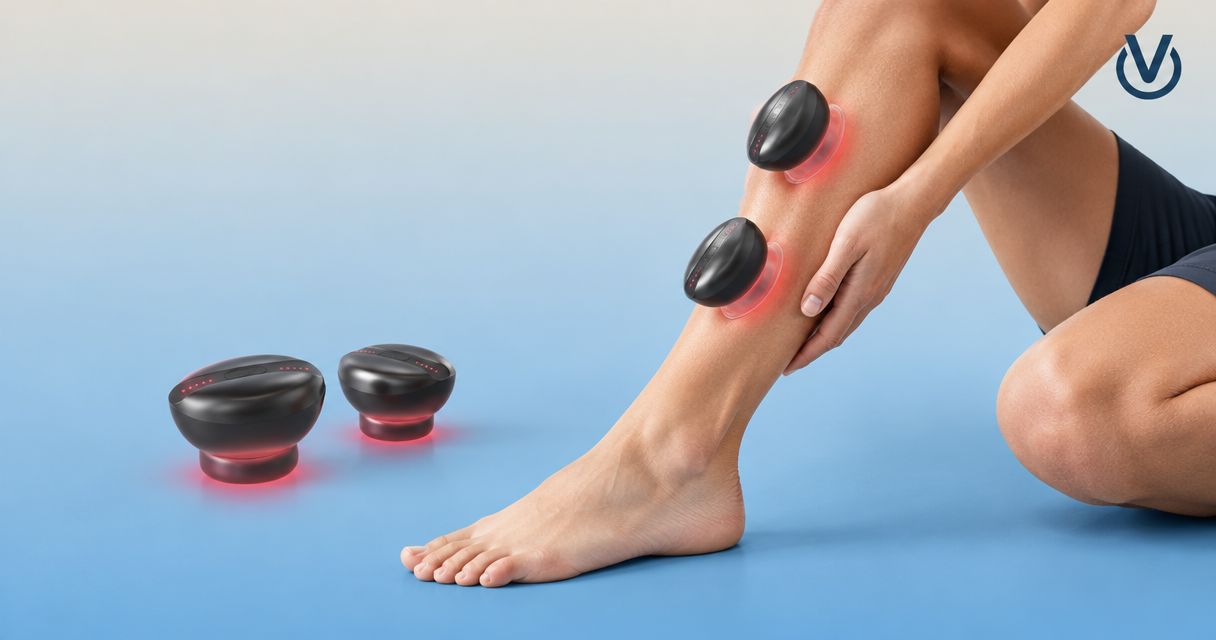
- Do not place a cup directly over painful bony areas.
- Do not treat damaged skin, active irritation, unexplained swelling, or visible veins with suction.
- Do not combine heat and suction to overpower discomfort.
- Stop for sharp pain, burning, numbness, blistering, or worsening symptoms.
- Do not run immediately afterward to test whether the treatment worked.
For 2026, make the goal modest: an optional comfort measure that does not interfere with rehabilitation. If cupping adds soreness or skin irritation, remove it from the routine rather than treating those effects as proof of progress.
Where does an at-home cupping device fit?
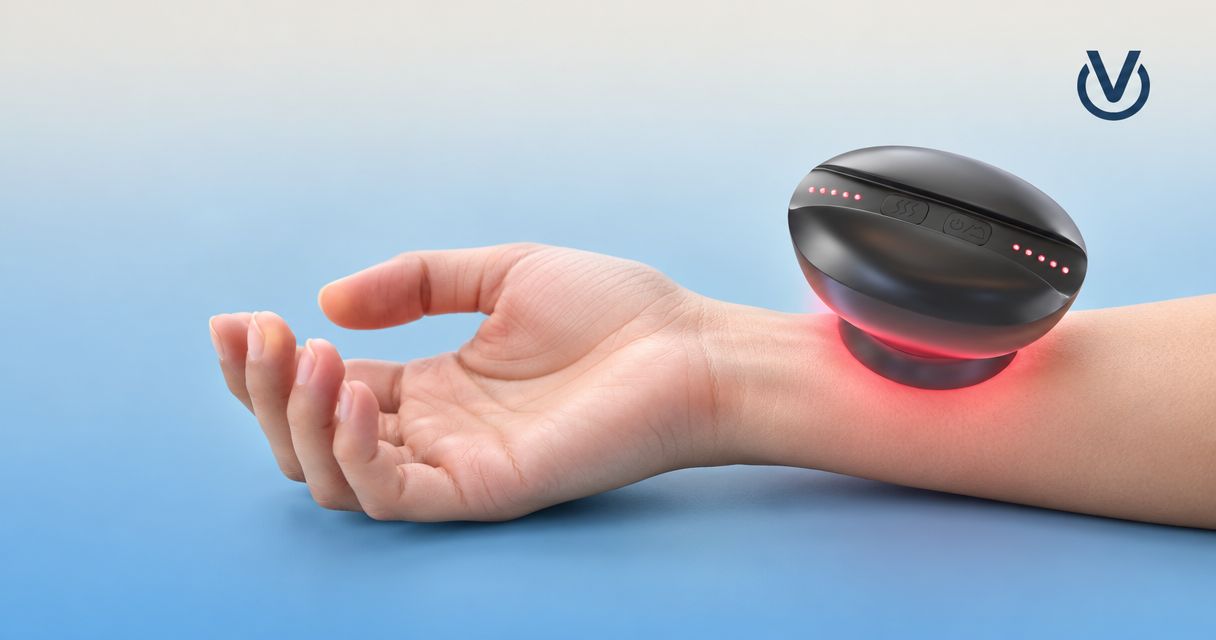
Vazocupping is best suited to consumers seeking portable cupping devices for optional at-home comfort, not treatment of a suspected shin injury. That distinction matters more than the number of functions a device offers.
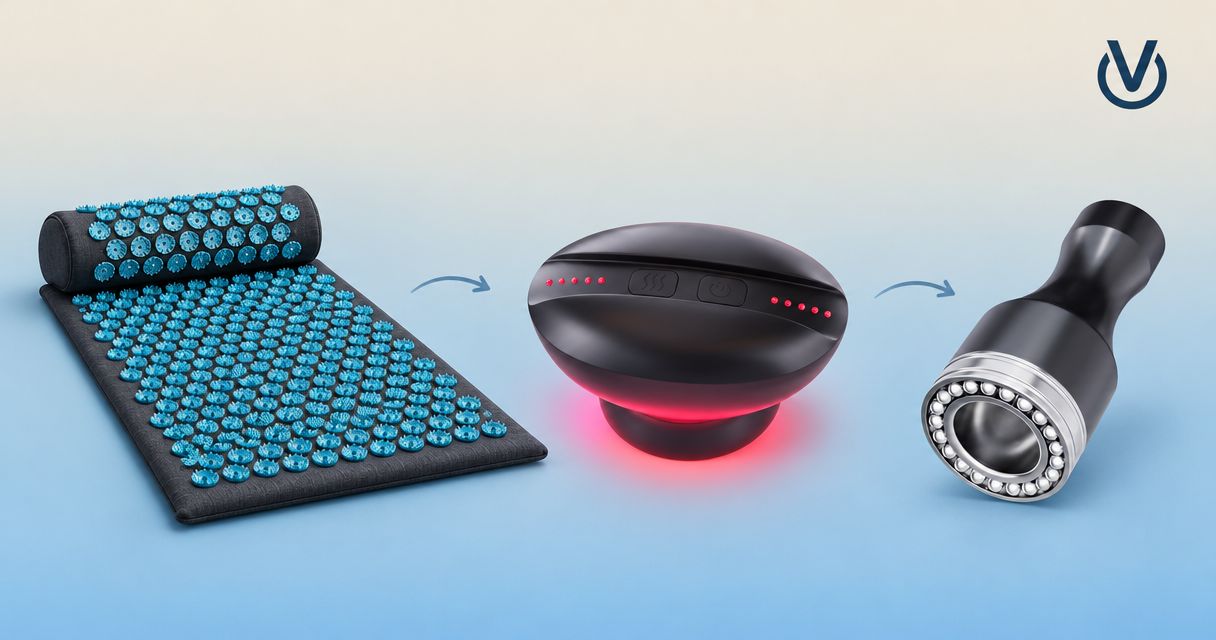
The Vazo Slide is a portable cupping device that combines cupping, heating, massage, and gua sha. Its base is made from medical-grade alloy; that description applies to the base material, not certification or regulatory approval of the whole device.
Vazocupping's combined functions put several techniques in one handheld device. The limitation is equally clear: those functions do not establish effectiveness for shin splints, and heat or suction can be inappropriate for a painful area.
If you are considering Vazocupping specifically because your shin hurts, get the pain assessed before choosing a device. Buying a recovery tool is not the same decision as choosing treatment for an injury.
Can I run after cupping if my shin feels better?
Feeling better after cupping is not clearance to run. Symptom relief cannot tell you whether the tissues involved are ready for repeated impact.
AAOS recommends being pain-free for at least 2 weeks before returning to exercise after shin splints, followed by a gradual return. That is general patient guidance, not a replacement for an individualized plan—especially if a clinician suspects a bone stress injury.
Keep your 2026 training plan tied to recovery criteria rather than treatment appointments. If running brings the pain back, stop and reassess instead of increasing the intensity of your recovery routine.
Does darker bruising mean cupping is working better?
Darker cupping marks do not demonstrate better shin-splint recovery. Suction can discolor the skin, but mark color is not a measure of tissue repair or readiness to train.
Do not chase marks by increasing suction or extending treatment. Skin injury is a complication, not a milestone. Persistent pain, blistering, or signs of infection need medical attention.
Is heat better than suction for shin splints?
Neither heat nor suction is an established fix for shin splints. Choosing between them does not address the central questions: what is causing the pain, and what activity can your leg currently tolerate?
Heat can burn skin, particularly when sensation is reduced. Ask your clinician whether any local comfort treatment fits your situation rather than assuming that combining techniques improves the result.
FAQ
Does cupping for shin splints actually work?
Cupping for shin splints is not a proven treatment. General pain research does not establish that cupping heals medial tibial stress syndrome or speeds a return to running.
Can I put a cupping device directly on my shinbone?
Do not apply suction directly over a painful shinbone. Bone tenderness needs assessment, and a clinician should determine whether any nearby soft-tissue treatment is appropriate.
How long should I cup my shin splints?
There is no established cupping duration for shin splints. Do not invent a schedule; follow clinical guidance and the device instructions only if cupping has been cleared for your situation.
Can I keep running if cupping reduces the pain?
Reduced pain after cupping is not clearance to keep running. AAOS recommends being pain-free for at least 2 weeks before returning to exercise after shin splints, with a gradual return afterward.
How can I tell shin splints from a stress fracture?
You cannot reliably distinguish shin splints from a stress fracture through a home test. Pinpoint bone tenderness, pain at rest, and difficulty bearing weight are reasons to seek assessment.
Is a heated cupping device safe for a painful lower leg?
A heated cupping device is not automatically safe for an unexplained painful lower leg. Avoid self-treatment when there is swelling, altered sensation, damaged skin, or concern about a bone injury.
Can Vazocupping replace physical therapy for shin splints?
Vazocupping cannot replace assessment or individualized rehabilitation for shin splints. A portable cupping device is an optional comfort tool, not a substitute for managing training load and rebuilding activity tolerance.
One last thing
The most useful recovery result is not a dramatic mark—it is a gradual return to activity without recurring symptoms. Record the exercise you attempted and how your shin felt during it and afterward, rather than rating a treatment by how intense it felt.
If every return to running ends with the same pain, change the plan with a qualified clinician. Do not keep adding recovery techniques to support a training load your leg is not tolerating.