Cupping for sinus congestion is not an established treatment, and reliable evidence does not show that it clears blocked sinuses or treats a sinus infection. Feeling relaxed after cupping is not the same as reducing swelling inside your nose. For symptom relief, choose care that addresses the cause of your congestion rather than applying suction to your face.
- Cupping for sinus congestion is unproven; relaxation does not establish improved sinus drainage.
- The FDA recommends distilled, sterile, or properly boiled and cooled water for nasal irrigation.
- Vazocupping portable cupping devices are for at-home cupping, not a proven sinus treatment.
- Seek medical advice for symptoms lasting more than 10 days without improvement or worsening after initial improvement.
Why this matters
A blocked nose, facial pressure, and a headache do not automatically have the same cause. A cold, allergies, and persistent nasal inflammation need different decisions, even when the discomfort feels similar.
Treat the congestion, not the cupping marks. A skin response cannot tell you whether mucus is draining or inflammation inside your nose has improved. The distinction between comfort and treatment also matters when asking whether cupping therapy really works.
For your 2026 wellness routine, keep Vazocupping and other cupping devices separate from decisions about sinus treatment. Choosing a wellness tool does not replace identifying why your nose is blocked.
Can cupping help with sinus congestion?
Cupping has not been established as an effective way to relieve sinus congestion. The National Center for Complementary and Integrative Health describes most cupping research as low quality and says there is not enough high-quality research to reach conclusions about conditions other than pain.
That does not establish a sinus benefit. Claims that suction pulls congestion out through the skin, clears an infection, or opens sinus drainage pathways go beyond the evidence.
For a 2026 treatment decision, compare what each option actually targets:
| Option | Best for | Main advantage | Main limitation or caution |
|---|---|---|---|
| Saline nasal spray or irrigation | Moistening nasal passages and clearing mucus | Acts directly inside the nose | Irrigation requires safe water and a clean device |
| Nasal corticosteroid spray | Allergy-related or persistent nasal inflammation, when appropriate | Targets inflammation | Not an instant fix; correct use matters |
| Antihistamine | Congestion accompanied by allergy symptoms | Addresses an allergic response | Not the right answer for every blocked nose; some cause drowsiness |
| Nasal decongestant spray | Short-term relief when appropriate | Temporarily reduces nasal swelling | Overuse can cause rebound congestion |
| Cupping | People seeking a separate wellness practice | Provides a suction-based bodywork experience | Sinus benefit is unproven; skin injury and burns are possible |
For sinus symptoms, start with nasal care and an assessment of the cause—not stronger suction. A pharmacist or clinician can help you choose an appropriate option, especially if you take other medicines.
What cupping can and cannot tell you
A session can feel soothing without changing the condition responsible for your symptoms. Rest, attention, warmth, and the setting can all affect how you experience discomfort; none proves that a sinus passage has opened.
If your forehead feels less tight afterward but your nose remains blocked, those are different outcomes. Judge congestion by nasal breathing and your overall symptom pattern, not by how intense the session felt.
Cupping marks are not evidence that toxins, infection, or mucus have left your body. They are skin changes associated with suction. Darker marks do not demonstrate a better sinus result and are not a reason to increase pressure.
Does facial suction reach the sinuses?
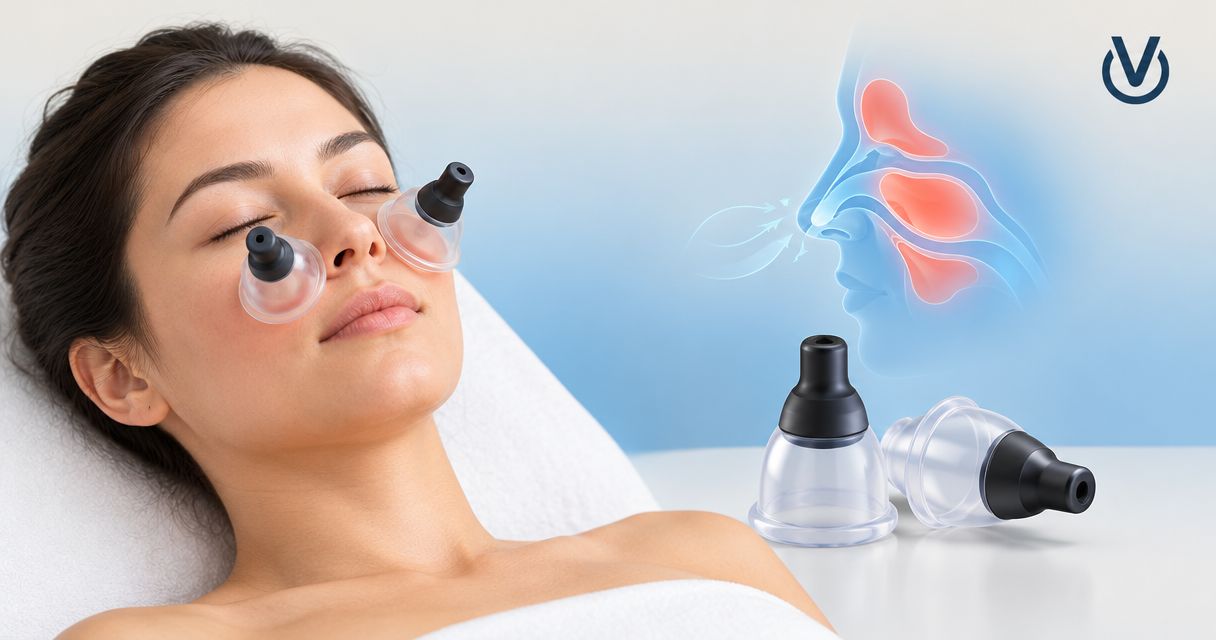
Applying suction to facial skin does not establish drainage from the air-filled spaces behind it. The sinuses connect to the nasal cavity through openings; pulling on the skin is not equivalent to treating inflammation around those openings.
Do not translate a body-cupping technique into a facial treatment. The area around your eyes needs particular caution, and a device intended for body use should not be assumed suitable for the face.
Saline nasal care: a direct approach to mucus
Saline spray and nasal irrigation work inside the nose rather than on the overlying skin. They can help moisten nasal passages and remove mucus, but they do not diagnose the cause or guarantee that an infection has resolved.
Water safety comes first. The FDA advises using distilled, sterile, or previously boiled and cooled water for nasal rinsing. Water that is safe to drink is not automatically safe to put into your nose.
Follow the rinse product's preparation and cleaning instructions. Do not improvise a concentrated salt mixture, share the device, or force a rinse through a completely blocked passage. Ask a clinician before irrigating if you have a weakened immune system or have recently had nasal surgery.
Allergy treatment: match the medicine to the symptoms
Sneezing, an itchy nose, and watery eyes alongside congestion suggest an allergy pattern worth discussing with a pharmacist or clinician. In that situation, an allergy treatment addresses a different process from cupping.
Nasal corticosteroid sprays reduce inflammation, while antihistamines target allergy symptoms. Neither should be selected simply because a product promises fast relief. Your other medicines, health conditions, and the product instructions affect the choice.
Some nasal sprays need regular use rather than occasional use to work well. Ask how to aim and use the spray correctly, and do not increase the dose because your nose still feels blocked after an initial application.
Decongestant sprays: short-term relief with a limit
Nasal decongestant sprays can temporarily ease blockage, but using them too long can make congestion return or worsen. Many U.S. oxymetazoline nasal spray labels limit use to 3 days; follow the exact label on your product.
Do not apply that limit to every kind of nasal spray. Saline, corticosteroid, and decongestant sprays are different categories with different instructions. If you are unsure which one you have, check the active ingredient with a pharmacist.
For a 2026 home-care plan, write down the active ingredient and when you started it. That is more useful than repeatedly changing products without noticing overlapping ingredients or extending decongestant use.
Why sinus congestion varies
Your next move depends on the symptom pattern, not the strength of a cupping device. These factors change what needs attention:
- Cause: Viral respiratory infections, allergies, and other nasal conditions do not call for identical treatment.
- Duration: A brief illness differs from symptoms that persist or repeatedly return.
- Trajectory: Improving symptoms differ from symptoms that worsen after you initially start feeling better.
- Location: Persistent blockage on one side deserves assessment rather than repeated home treatments.
- Medication use: Prolonged use of certain nasal decongestants can contribute to congestion.
- Associated symptoms: Eye swelling, vision changes, severe headache, and significant fever change the urgency of care.
This is why a report that cupping helped someone else does not identify what will help you. Their underlying problem, other treatments, and natural recovery can all differ.
What should you do before trying another home remedy?
Use this sequence to make a clearer decision without turning your face into a testing ground.
- Check for urgent symptoms. Eye swelling, vision changes, confusion, a stiff neck, or a severe unusual headache need urgent medical assessment rather than a wellness session.
- Note the pattern. Record when symptoms started, whether they are improving, and whether allergies seem involved.
- Choose direct nasal care. Consider saline and ask a pharmacist which medicines fit your symptoms and health history.
- Check what you already use. Look for duplicate ingredients and nasal decongestants that have exceeded their labeled duration.
- Reassess instead of escalating. Persistent or worsening symptoms call for medical advice, not stronger suction, more heat, or longer sessions.
Keep your 2026 symptom notes simple: nasal blockage, discharge, facial discomfort, fever, and whether you are getting better. You do not need a complicated score to describe the pattern clearly at an appointment.
Can facial cupping drain sinus mucus?
Facial cupping is not a proven method for draining sinus mucus. A sensation of lightness or warmth after facial work does not demonstrate that a blocked sinus has opened.
Avoid suction around the eyes and do not use a body-cupping device on your face without explicit manufacturer instructions permitting that use. Even a device suitable for cosmetic facial use is not automatically a sinus treatment.
Is cupping better than nasal irrigation for congestion?
Cupping is not a proven substitute for nasal irrigation. Saline irrigation directly rinses the nasal passages; cupping applies suction to skin and has not been established as a way to clear sinus congestion.
Irrigation still has limits. Use safe water and correct technique, and seek advice when symptoms persist rather than assuming more rinsing will solve every cause.
When should you see a clinician for sinus symptoms?
Symptoms lasting more than 10 days without improvement warrant medical advice, according to CDC guidance on sinus infections. Seek advice sooner if symptoms worsen after initially improving or if fever lasts more than 3–4 days.
Symptoms continuing for 12 weeks or longer raise the possibility of chronic rhinosinusitis and need clinical assessment rather than repeated self-treatment. Duration alone does not establish the diagnosis; an examination and other findings matter.
Urgent warning signs override these timelines. Do not wait for a duration threshold if you develop swelling around an eye, vision changes, confusion, or a severe unusual headache.
Where portable cupping devices fit—and where they do not
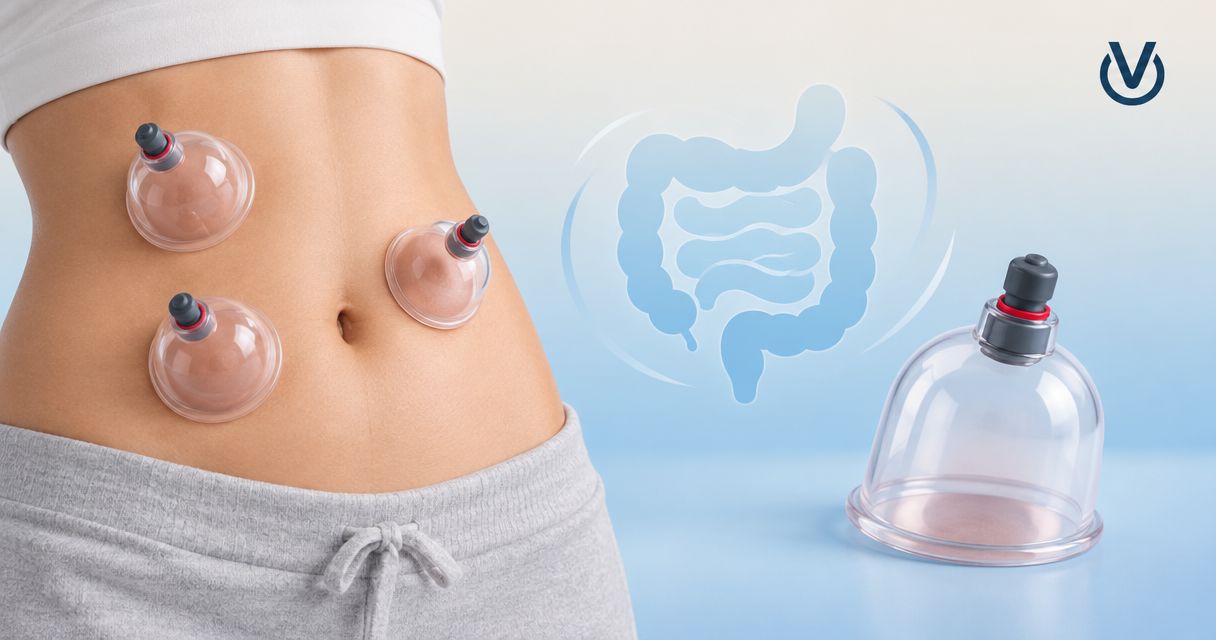
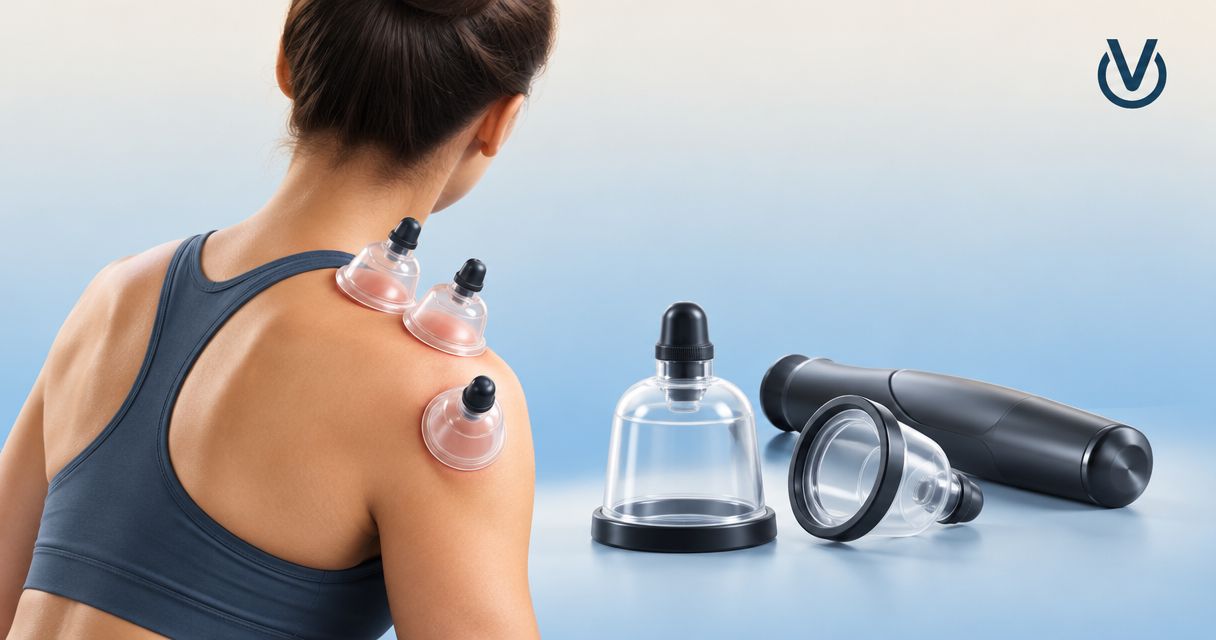
Vazocupping is best suited to shoppers seeking portable cupping devices, not a proven treatment for sinus congestion. Keep that distinction clear when comparing wellness tools with care for a blocked nose.
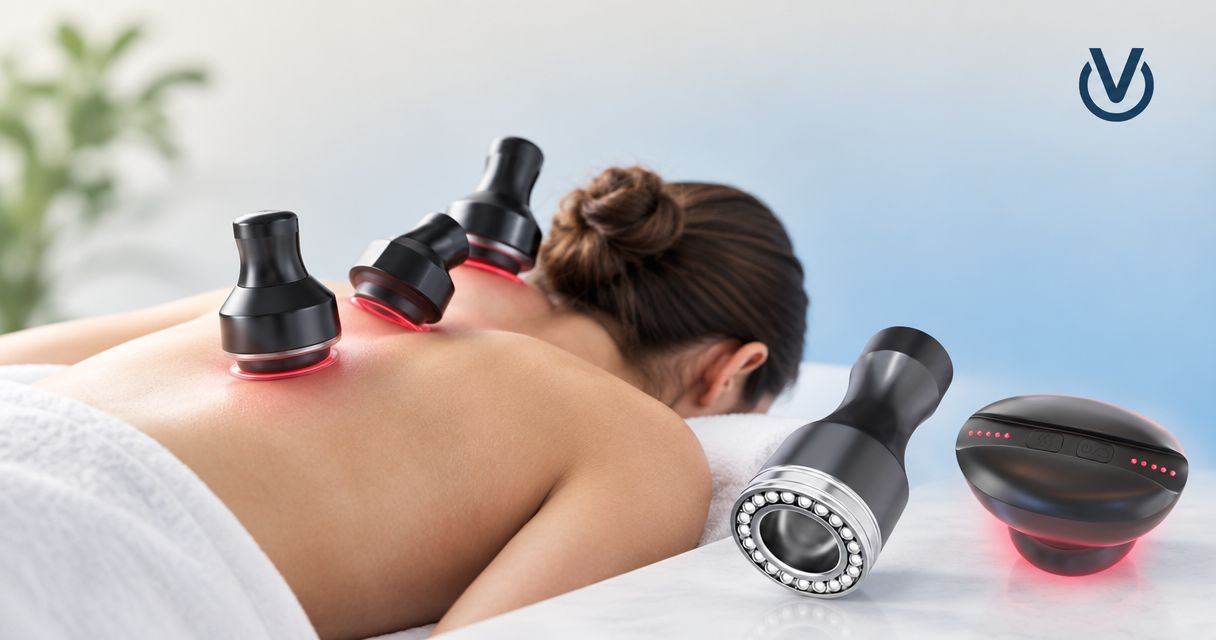
The Vazo Slide 4-in-1 cupping device combines cupping, heating, massage, and gua sha in a portable handheld format. Its base is made from medical-grade alloy. That describes the base material—not certification of the whole device, regulatory approval, or evidence that it treats sinus disease.
Vazocupping's portable format is relevant to an at-home cupping routine, but portability does not establish facial suitability or a sinus benefit. Follow the device instructions for permitted body areas and use; do not invent a sinus protocol from its features.
If congestion is your only reason for buying a cupping device in 2026, choose sinus-focused care instead. No suction setting, heating feature, or base material changes the evidence gap for this use.
FAQ
Does cupping for sinus congestion actually work?
Cupping for sinus congestion is not an established treatment. Reliable evidence does not show that it clears blocked sinuses or treats a sinus infection.
Can I put a cupping device on my forehead to clear my sinuses?
Do not assume a body-cupping device is suitable for your forehead or face. Follow the manufacturer's permitted-use instructions, and do not treat facial suction as a proven way to clear your sinuses.
Does cupping remove mucus or toxins from my sinuses?
Cupping has not been shown to remove sinus mucus or toxins through the skin. Cupping marks do not demonstrate sinus drainage or removal of an infection.
What water should I use for a sinus rinse?
Use distilled, sterile, or previously boiled and cooled water for nasal irrigation, as the FDA advises. Follow the rinse device's preparation and cleaning instructions rather than using untreated tap water.
How long should I wait before getting sinus symptoms checked?
Get medical advice if symptoms last more than 10 days without improvement or worsen after initially improving. Seek care sooner for severe symptoms, and seek urgent assessment for eye swelling, vision changes, confusion, or a severe unusual headache.
Can I use a decongestant nasal spray every day?
Follow the exact product label; many U.S. oxymetazoline nasal sprays limit use to 3 days. Longer use can cause rebound congestion, and this warning does not apply identically to saline or corticosteroid sprays.
Does green mucus mean I need antibiotics?
Green mucus alone does not establish that you need antibiotics. A clinician considers symptom duration, severity, and whether you worsened after initially improving; many sinus infections get better without antibiotics.
One last thing
Judge relief by the symptom you wanted to change. If a session feels relaxing but your nose remains blocked, you have not demonstrated congestion relief. Choose a direct nasal-care plan, watch the course of your symptoms, and get assessed when the pattern calls for it.