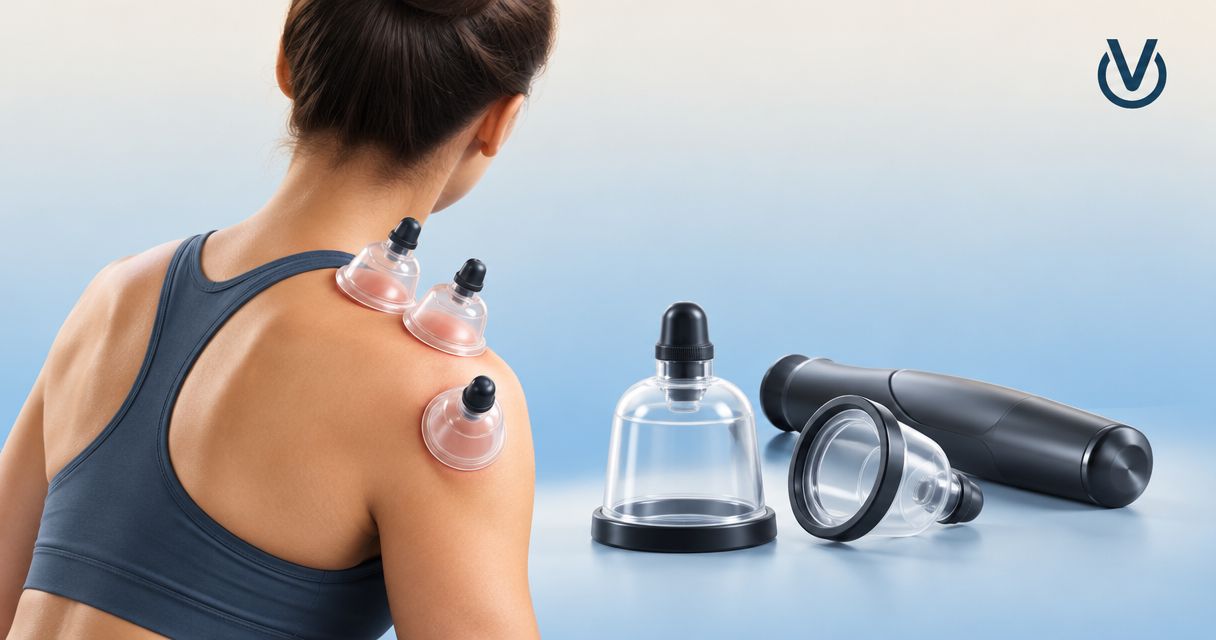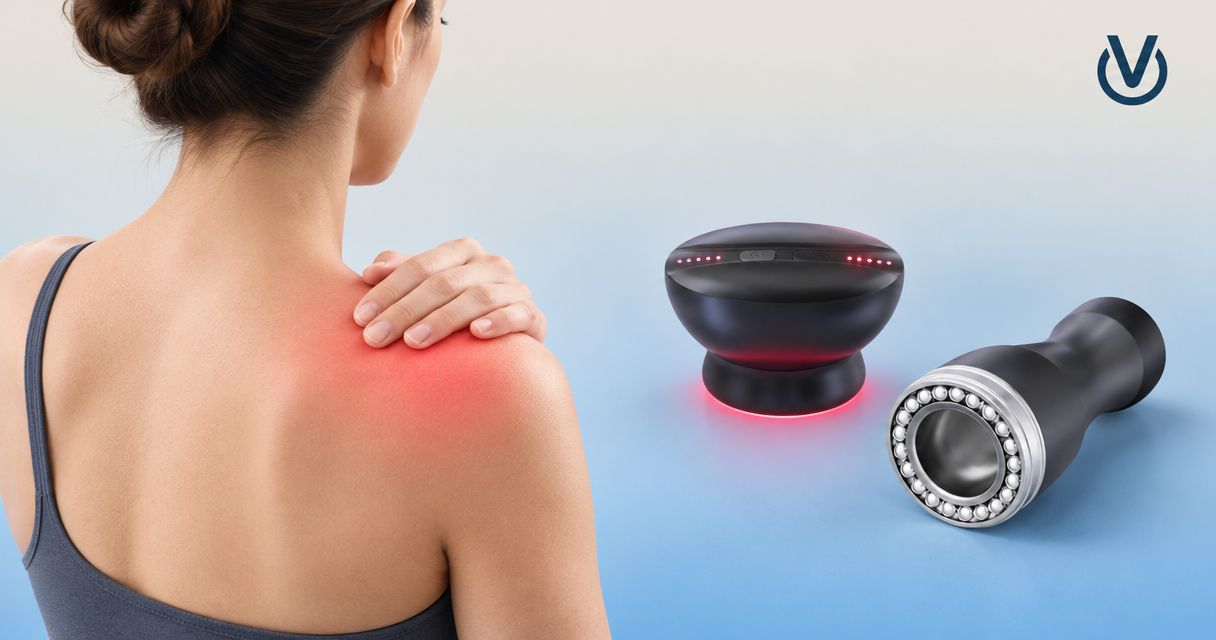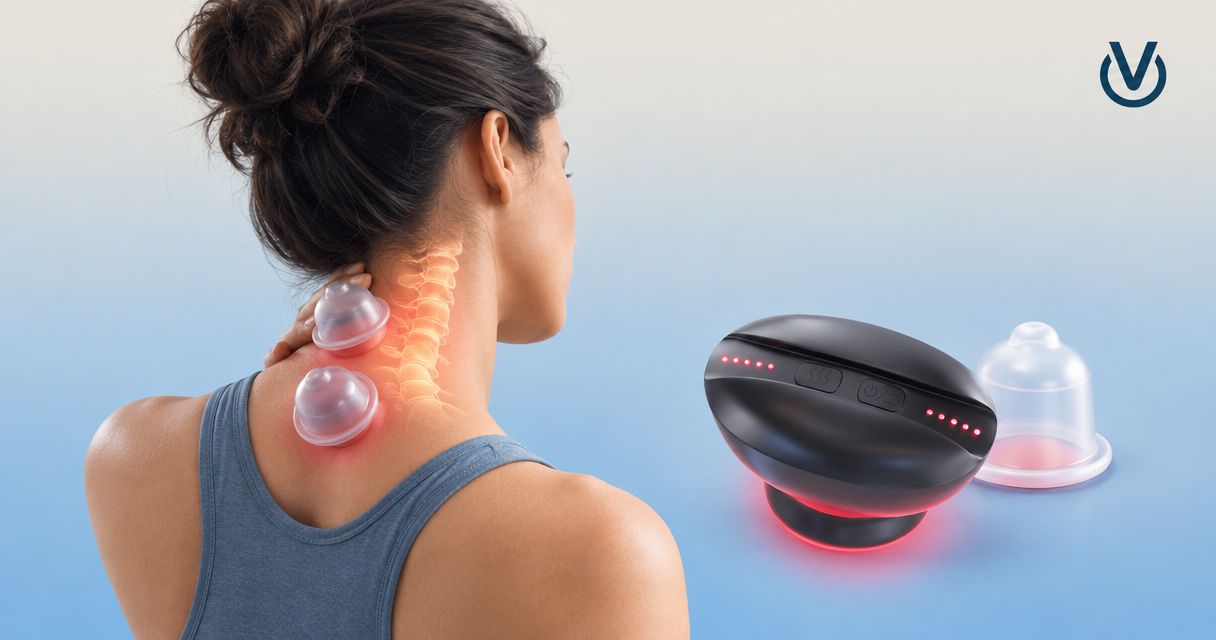
Cupping for whiplash is not a proven treatment for the injury itself, although research on neck pain suggests possible short-term symptom relief for some people. That does not establish that suction heals injured neck tissues or speeds whiplash recovery. After a collision or sudden neck injury, get assessed before considering cupping, heat, or massage.
- Cupping for whiplash is not proven to heal the injury or shorten recovery.
- NCCIH describes cupping pain research as limited; general neck-pain findings do not establish whiplash benefits.
- Get a neck injury assessed before applying suction, heat, massage, or gua sha.
- Use cupping only as an optional, clinician-approved addition—not a replacement for rehabilitation.
Can cupping help with whiplash?
Cupping has a possible role in symptom comfort, not an established role in healing whiplash. The National Center for Complementary and Integrative Health, or NCCIH, says cupping research is mostly low quality and that evidence for pain relief is not strong. That limits what anyone can responsibly promise you in 2026.
Studies involving general neck pain do not automatically apply to pain after a crash. Whiplash requires its own assessment because similar symptoms can have different causes, including injuries that need medical attention rather than massage or suction.
Before choosing a device or booking treatment, review the distinction between ordinary muscle soreness and using a heated cupping device on an injury. Feeling tight does not tell you whether an injured area is ready for treatment.
| Approach | Best for | Useful role | Main limitation |
|---|---|---|---|
| Medical assessment | New symptoms after a collision or sudden neck injury | Identifies concerning findings and guides next steps | Does not itself provide ongoing rehabilitation |
| Clinician-guided activity and exercise | Restoring comfortable movement after assessment | Builds a recovery plan around your symptoms and function | Needs adjustment if symptoms worsen or change |
| Cupping | Optional symptom comfort after clinical clearance | Offers a complementary approach for selected patients | Whiplash-specific benefits are not established; skin injury and soreness are possible |
These approaches are not interchangeable. Assessment addresses safety, rehabilitation addresses function, and cupping—if appropriate at all—remains an optional addition.
Why this matters
Whiplash is not the same decision as everyday shoulder tightness after sitting at a desk. After trauma, the first question is what happened to your neck, not which recovery tool feels strongest.
A treatment can change how an area feels without repairing the underlying injury. Temporary relief also does not prove that driving, lifting, contact sports, or heavy training is safe again.
For your 2026 recovery plan, prioritize a clear diagnosis, advice about activity, and a way to track progress. Choose treatment by what helps you function safely, not by the intensity of the sensation or the darkness of a mark.
When should you seek medical care instead of cupping?
Get medical advice after a neck injury, especially if pain is significant, movement is restricted, or symptoms are worsening. Do not use a cupping session to test whether the problem is serious.
Seek urgent assessment for symptoms such as:
- New weakness, numbness, or tingling in your arms or legs.
- Trouble walking, keeping your balance, or sitting upright.
- Severe neck pain or an electric-shock sensation into your back or limbs.
- A sudden severe headache, trouble speaking, vision changes, or other new neurological symptoms.
Call 911 for a medical emergency. If you suspect a serious neck injury, avoid unnecessary neck movement and follow emergency instructions rather than stretching or treating the area yourself.
Symptoms after a collision can also involve a head injury. Dizziness, headache, and difficulty concentrating deserve assessment; do not assume they are simply tight muscles that need release.
What can cupping realistically do for neck discomfort?
Cupping creates suction at the skin. Some people report less pain or a looser feeling afterward, but an individual response is different from evidence that a treatment works for a specific injury.
NCCIH's public cupping overview addresses cupping broadly, not a proven protocol for traumatic neck injuries. Its assessment of limited research does not support promises that cupping repairs ligaments, corrects spinal alignment, or prevents persistent whiplash symptoms.
Possible comfort is not confirmed healing
If a clinician approves cupping, the goal should be explicit: an optional attempt to ease discomfort while you continue the recommended recovery plan. The goal should not be to pull an injury out, remove toxins, or force damaged tissue to recover faster.
A useful response is one that supports ordinary activity without a symptom flare. A strong pulling sensation, deep-colored marks, or immediate warmth is not a reliable measure of treatment success.
Cupping also has downsides
Cupping can cause temporary discoloration, tenderness, and skin irritation. Burns and infection are also recognized risks, depending on the technique and equipment used.
Those effects matter when your neck is already painful. Adding surface soreness can make it harder to distinguish the original symptoms from a treatment reaction, so report changes rather than assuming that more soreness means more benefit.
What should come before cupping for whiplash?
Get a recovery plan before adding a recovery device. A cautious 2026 plan starts with assessment and keeps activity recommendations specific to your injury rather than copying a social-media routine.
- Have the injury assessed. Describe the collision or movement that caused it, where symptoms travel, and whether you experienced a head impact. Mention symptoms beyond pain, including weakness, dizziness, or altered sensation.
- Ask what movement is appropriate. Public whiplash guidance, including NHS advice, generally encourages continuing everyday activity rather than prolonged rest. Your clinician should adapt that advice to your examination and symptoms.
- Clarify the role of rehabilitation. Ask whether you need guided exercises or physical therapy and what should prompt reassessment. Do not substitute aggressive stretching for an individualized plan.
- Discuss optional symptom treatments. Bring up cupping, heat, massage, and any device you already own. Approval for one method does not automatically cover the others.
- Agree on stop rules. Know which reactions mean stop treatment and which symptoms require medical attention. Do not keep increasing intensity because the first attempt did not help.
This sequence keeps the optional treatment in its proper place. You should not have to guess whether suction is appropriate for a recently injured neck.
Why suitability for cupping varies
There is no universal whiplash cupping routine. These factors affect whether a clinician considers it appropriate and what precautions you need:
- The injury assessment. A muscular ache and an injury with neurological findings require different decisions. Similar pain does not establish the same diagnosis.
- Your symptom pattern. Pain confined to one area is different from symptoms extending into an arm, altered sensation, or balance problems. New or changing symptoms warrant reassessment.
- Your skin condition. Broken, infected, irritated, or already damaged skin is not a suitable place to apply suction. Existing bruising also belongs in the discussion.
- Your medications and health history. Blood thinners, bleeding disorders, fragile skin, and reduced sensation can change the risk assessment. Tell the treating clinician before a session.
- The technique involved. Stationary suction, moving suction, heat, and scraping are different exposures. Combining them does not establish that the combination is appropriate after trauma.
- Your response afterward. Increased pain, skin damage, or a reduction in normal function is a reason to stop and seek advice, not proof that treatment is working.
These factors are more useful than choosing treatment by suction strength. A device specification cannot answer a clinical question about an injured neck.
Is professional cupping better than home cupping after whiplash?
Clinical assessment matters more than whether a cup is manual or electric. A suitably qualified healthcare professional can evaluate your injury and decide whether cupping belongs in your care; ownership of cupping equipment does not provide that assessment.
If someone offers treatment, ask about their healthcare qualifications, experience with neck injuries, and reasons for recommending suction. Ask what they would do if you developed new symptoms during treatment.
At home, you cannot replace a neurological examination with a mirror, an app, or a comfortable-feeling setting. For a 2026 home recovery routine, get explicit guidance about placement, technique, and whether any neck-area use is appropriate at all.
Do not apply suction to the front or sides of your neck on your own. Do not assume that a setting used on your thigh or back is suitable for an injured neck.
Where do portable cupping devices fit?
Vazocupping portable cupping devices are for consumers seeking at-home cupping and muscle recovery, not a substitute for whiplash assessment. That distinction matters more than the number of functions a device combines.
The Vazo Slide is a portable 4-in-1 cupping device combining cupping, heating, massage, and gua sha. Its base is made from medical-grade alloy; that describes the base material, not certification or approval of the entire device.
Vazocupping's combined functions give you several treatment methods in one handheld device, but they do not establish a benefit for whiplash. A clinician's approval of gentle movement or a particular form of heat is not permission to combine suction, heat, massage, and scraping over an injury.
If you already own a Vazocupping device, bring its instructions to your appointment. Ask whether it has any appropriate role in your recovery rather than assuming portability makes treatment suitable for every body area.
How will you know whether an optional treatment helps?
Track function alongside symptoms. Useful observations include whether you can sleep more comfortably, manage ordinary daily tasks, and move within the limits your clinician recommended.
Keep the comparison simple: what you could do before treatment, how you felt afterward, and whether symptoms interfered with activity later. Do not judge success only during the session, when warmth or a new sensation can distract from discomfort.
Bring persistent or worsening symptoms back to your clinician. For your 2026 plan, a treatment earns its place by supporting your agreed recovery goals—not by producing visible evidence on your skin.
FAQ
Can cupping cure whiplash?
Cupping is not proven to cure whiplash or repair the underlying injury. Get assessed and follow an individualized recovery plan before considering optional symptom treatments.
Can I use cupping right after a car accident?
Do not start cupping an injured neck before medical assessment after a car accident. New pain, weakness, altered sensation, or other concerning symptoms need evaluation rather than a home treatment trial.
Is heated cupping safe for whiplash?
Heated cupping is not automatically safe for whiplash. Ask your clinician about heat and suction separately, because combining them adds exposures without establishing a benefit for the injury.
How long should I leave a cup on my neck after whiplash?
There is no established universal cupping duration for whiplash. Do not choose a treatment time from a general wellness routine; first ask whether any cupping is appropriate for your injury.
Does darker bruising mean cupping is helping my neck heal?
Darker cupping marks do not prove that your neck is healing. Judge progress through symptoms, daily function, and your clinician's assessment rather than the appearance of your skin.
Should I stop my exercises if cupping makes me feel better?
Do not replace prescribed whiplash rehabilitation with cupping because you feel temporary relief. Ask your treating clinician before changing exercises or returning to demanding activity.
Can I use a portable cupping device for whiplash at home?
A portable cupping device is not a substitute for assessment of whiplash. Consider home use only if your clinician approves the specific method and placement and you follow the device instructions.
One last thing
The most useful question is not whether cupping feels good—it is whether it helps you follow your recovery plan without adding problems. Ask your clinician what improvement to look for and what would make them stop the treatment.
That gives you a practical decision rule. If an optional treatment creates more pain, skin injury, or difficulty with daily activity, do not chase a stronger setting or a darker mark.