Do not use a cupping device with a pacemaker until your pacemaker clinic has reviewed the exact device, its instructions, and your intended treatment area. Manual suction and powered cupping raise different questions, and avoiding the chest does not establish that an electric device is compatible with your implant.
- Using a cupping device with a pacemaker requires model-specific advice from your pacemaker clinic before treatment.
- Manual cups avoid powered components, but suction still creates skin, bruising, and treatment-site concerns.
- Vazo Cupping portable devices require the same pacemaker-specific review as other powered cupping products.
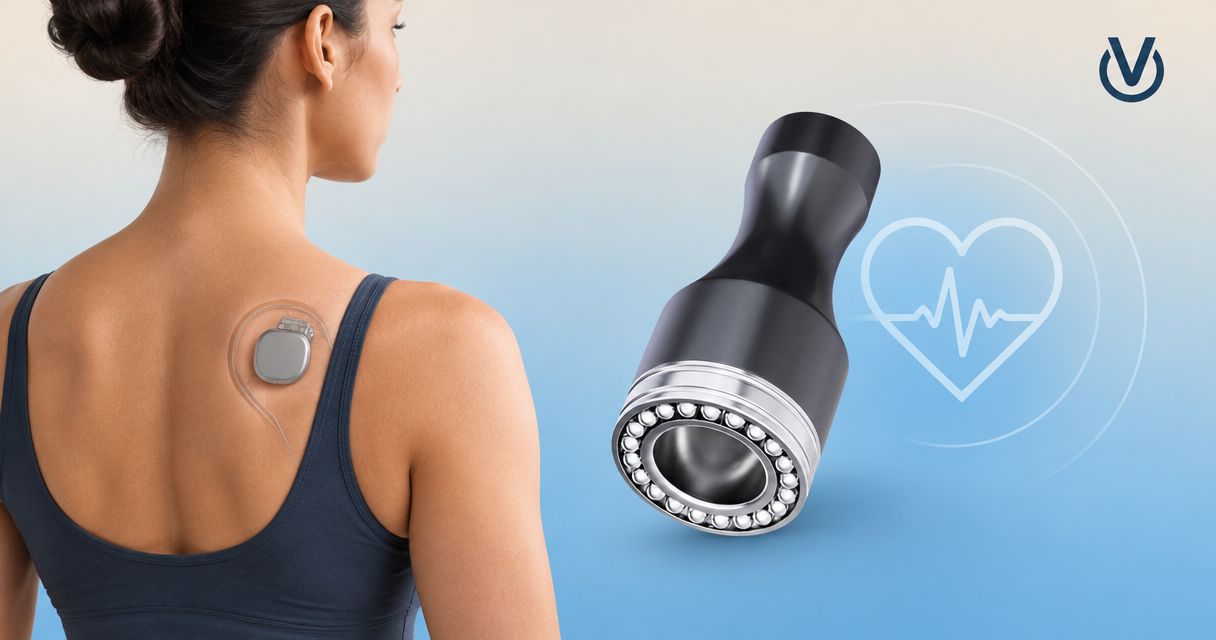
- Never treat directly over your pacemaker, its implantation site, or an unhealed incision.
Can you use a cupping device with a pacemaker?
Only consider cupping after your pacemaker clinic confirms that the proposed device and treatment are appropriate for you. A general recommendation for muscle recovery does not answer the implant-compatibility question. Your clinic needs the actual product information, not just the description “massage device.”
For a 2026 safety review, distinguish suction from the features that produce or accompany it. An electric pump is not the same as electrical stimulation through skin electrodes. Neither distinction, by itself, proves that a particular product is suitable for a pacemaker user.
| Cupping option | Practical advantage | Limitation or concern | What to ask your clinic |
|---|---|---|---|
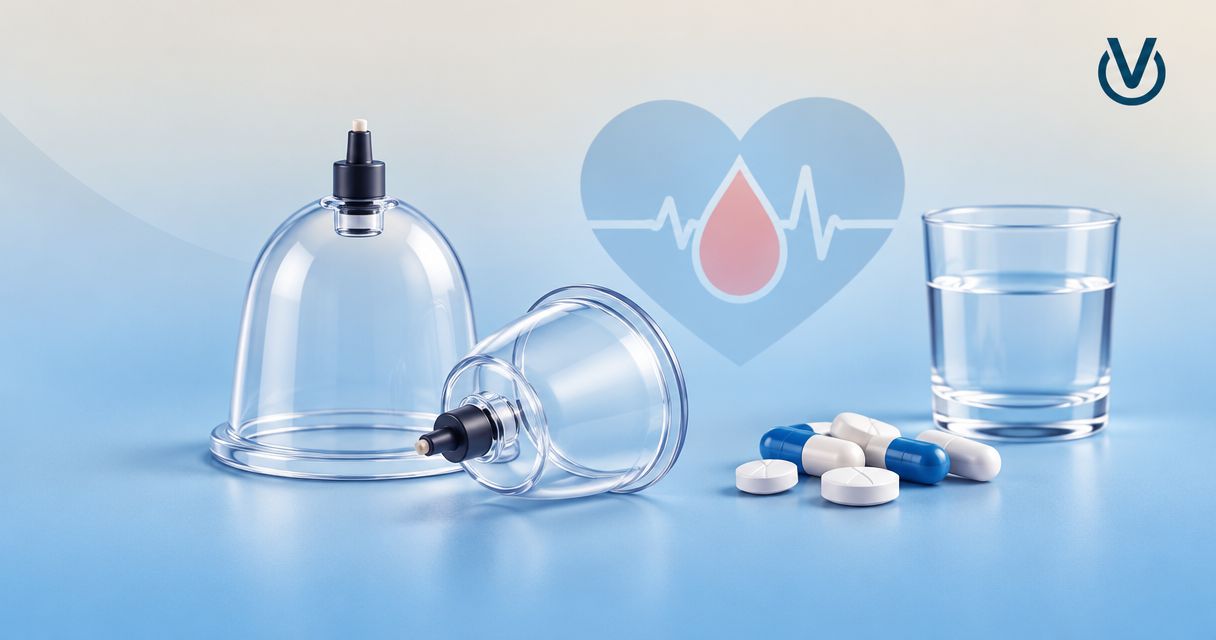
| Manual dry cups | Create suction without a powered pump | Still cause skin stress and cupping marks; no automatic clearance after implantation | Is suction appropriate for my skin, medicines, and proposed treatment area? |
| Powered cupping device | Produces suction using powered components | Compatibility depends on the specific product and implant guidance | Do its components or instructions create restrictions for my pacemaker? |
| Heated powered cupping | Adds warmth to a suction treatment | Adds burn and skin-sensation concerns without resolving compatibility | Is heat appropriate, and is this exact device acceptable? |
| Wet cupping | Includes skin piercing as part of the procedure | Adds bleeding and infection risks | Should I avoid this procedure given my medicines and medical history? |
If your pacemaker was implanted recently, start with your discharge instructions and the clinic responsible for follow-up. The guide to cupping after surgery addresses a separate recovery question; it does not replace clearance for an implanted cardiac device.
Why this matters
Pacemaker safety is not just about whether a treatment feels comfortable. Some electrical equipment and strong magnets can interfere with implanted cardiac devices, while suction and heat create separate concerns for skin and healing tissue.
That means you need two answers: whether the equipment is compatible and whether the treatment is appropriate. Passing one check does not pass the other.
For your 2026 recovery plan, prioritize the restrictions supplied by your pacemaker manufacturer and implant team. A cupping routine is optional; protecting your implant site and following your cardiac care plan are not.
Manual cups: fewer equipment questions, not automatic clearance
A genuinely manual cup does not use an electric pump or electrical stimulation. That removes those particular equipment questions. It does not remove the physical effects of suction.
Cupping can leave temporary marks and cause skin injury. Wet cupping adds a break in the skin, which introduces bleeding and infection concerns. These distinctions matter if you take anticoagulants or other medicines that affect bleeding.
Do not replace an unapproved electric cup with a manual cup and assume the decision is settled. Ask your clinic whether any cupping is appropriate, where it could be performed, and whether your medicines change the advice.
Tell any practitioner about your pacemaker before the appointment, not after treatment has started. A practitioner needs to know both the implant location and the restrictions your cardiac team has given you. Experience with cupping does not establish expertise in your pacemaker model.
Powered cups: review the exact model and every intended mode
“Electric cupping” describes how a device operates, not a standardized pacemaker-compatibility category. A product can combine suction with heat or other functions, so the clinic needs more than a product name or promotional summary.
Provide the instruction manual, contraindications, and technical information available from the manufacturer. Include any accessories you intend to use and explain whether the equipment would be operating or charging during the proposed routine.
Do not assume that disabling one function makes the remaining functions acceptable. A restriction in the instructions remains a restriction unless the manufacturer and your treating team resolve it for your situation.
The same principle applies to combining recovery tools. Permission to use a cupping product does not also authorize electrical stimulation, a massage gun, or another device used alongside it. Each addition needs its own review when your cardiac team requires it.
Why advice about cupping with a pacemaker varies
The decision depends on the equipment, your implant, and the condition of the tissue being treated. These are the details that change the review:
- The cupping device: Manual suction, powered suction, heating, and electrical stimulation are different mechanisms. Identify what the actual product does.
- The implanted system: Your pacemaker manufacturer and clinic provide the relevant equipment restrictions. Advice for someone else's implant is not your clearance.
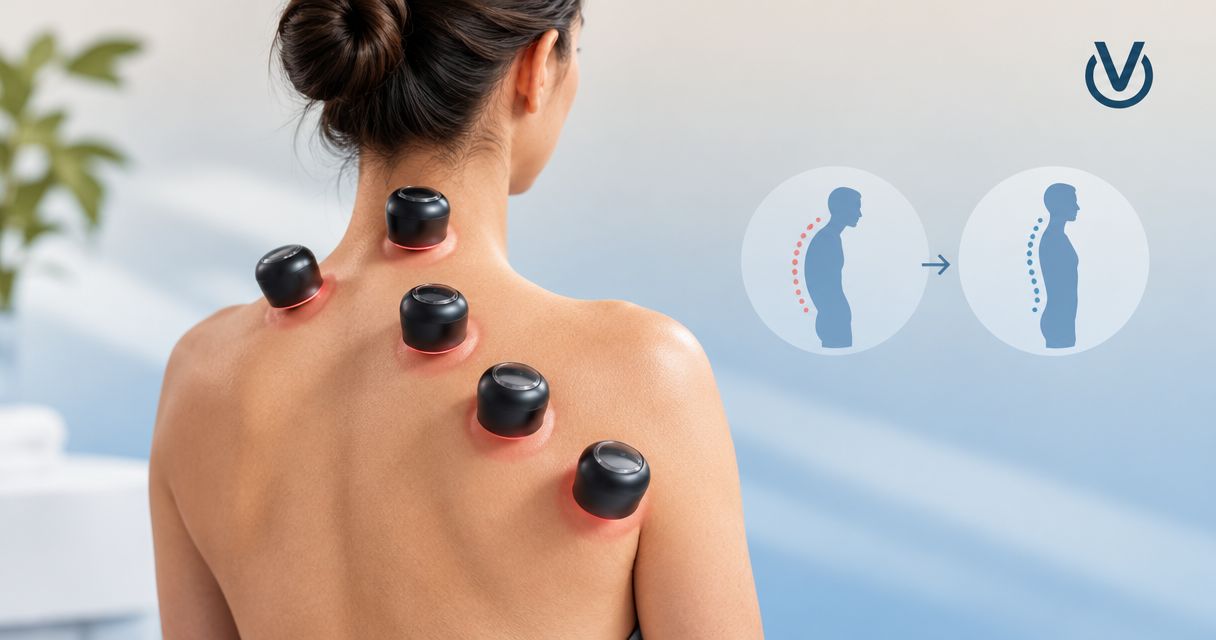
- The treatment area: Direct pressure, suction, or heat over an implant site is not an acceptable substitute for a clinic-approved plan elsewhere.
- Healing status: An incision that looks closed does not establish that your post-implant restrictions have ended. Follow the implant team's instructions.
- Medicines and skin condition: Anticoagulants, fragile skin, wounds, and reduced sensation affect the physical risks of treatment.
- The proposed routine: A practitioner-led session, an at-home trial, and a routine involving several powered tools require different practical instructions.
Bring these details together rather than asking only, “Is cupping safe?” A specific proposal gives your clinic something concrete to assess and reduces the risk of a general answer being applied to the wrong device.
What should you send your pacemaker clinic before trying cupping?
Use this sequence before buying equipment or booking treatment. In 2026, an online product listing is a starting point for identifying a device, not a substitute for its safety instructions.
- Identify your implant. Have your pacemaker identification card available. Your clinic can use the model information to check the relevant restrictions.
- Identify the cupping product. Send the manufacturer, exact model, instruction manual, and any warning about implanted medical devices. Include the proposed treatment modes.
- Describe the treatment area. Say whether you want treatment on your back, leg, shoulder, or another location. Explain its relationship to your implant site rather than saying “away from the pacemaker.”
- Explain your recovery status. Tell the clinic about recent implantation, incision problems, new symptoms, and any restrictions already in place.
- Confirm medication concerns. Ask whether your prescribed medicines make bruising, bleeding, or skin injury a reason to avoid cupping. Do not change a prescription to make treatment possible.
- Ask for a clear decision. Request advice on the exact product and use you described. If the answer is no, choose another recovery approach with your treating team.
Keep the response with your treatment information. If you later change devices, treatment areas, or accessories, do not assume the original answer covers the new routine.
Is there a safe distance between a cupping device and a pacemaker?
There is no universal cupping-device clearance distance that applies to every pacemaker and every powered cup. Distance advice must match the equipment and the implanted system.
The FDA's guidance on consumer electronics with magnets recommends keeping those electronics at least 6 inches, or 15 centimeters, from implanted medical devices. That guidance addresses magnetic interference from relevant consumer electronics; it is not a cupping-device compatibility test or permission to treat just outside that distance.
For a 2026 equipment review, ask whether the cupping product contains components that trigger any manufacturer-specific separation requirement. Do not use a ruler to turn general magnet guidance into approval for an unreviewed product.
Placement also has a mechanical side. Even equipment with no relevant interference concern should not be pressed, heated, or suctioned directly over your pacemaker or implantation site.
Does turning off the heat make electric cupping safe?
Turning off the heat removes that treatment feature; it does not establish pacemaker compatibility. The pump, other active components, and the manufacturer's restrictions still need review.
Heat also deserves its own assessment. Reduced skin sensation can make it harder to recognize excessive warmth, and damaged or healing skin needs protection regardless of whether you have a pacemaker.
Do not troubleshoot your way around a contraindication. If instructions exclude people with implanted electronic devices, stop there and discuss the restriction with the manufacturer and your pacemaker clinic. A lower setting is not evidence that the warning no longer applies.
What about Vazo Cupping portable devices?
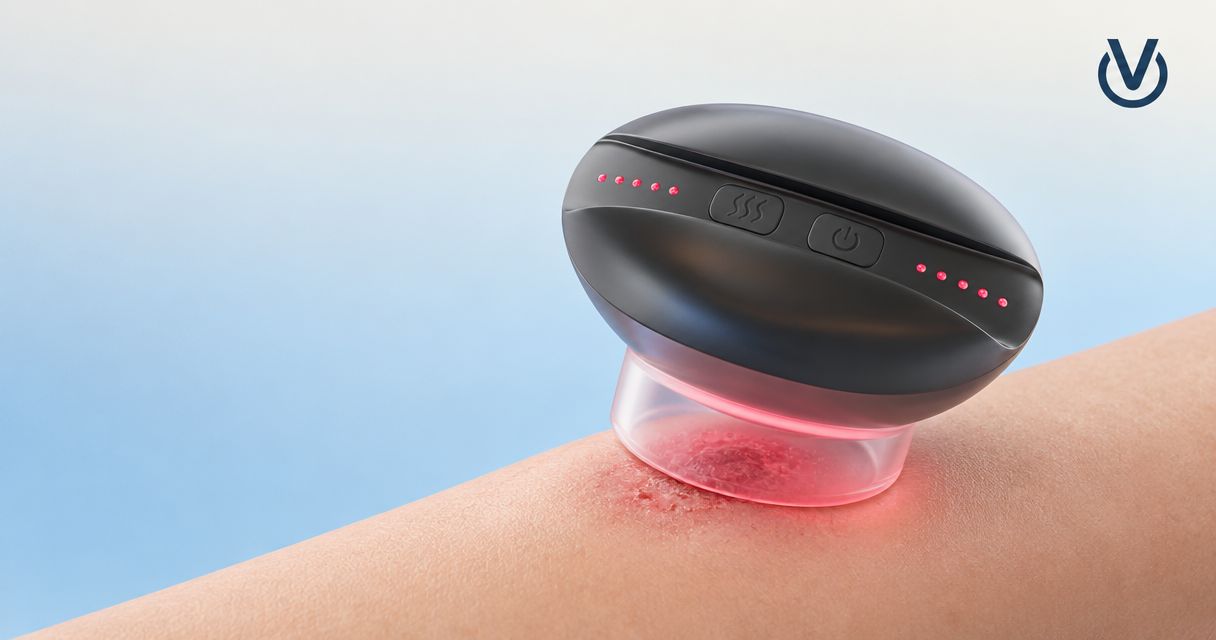
Vazo Slide is a portable cupping device that combines 4 functions: cupping, heating, massage, and gua sha. Vazo Lume is also a portable cupping device; Slide is the larger device, and Lume is the smaller one.
| Portable device | Relevant feature or distinction | Limitation for a pacemaker user |
|---|---|---|
| Vazo Slide | Larger device combining cupping, heating, massage, and gua sha | Its combined functions do not establish compatibility with an implanted cardiac device |
| Vazo Lume | Smaller portable cupping device | Smaller size does not establish compatibility with an implanted cardiac device |
Both products have a base made from medical-grade alloy. That describes the base material, not certification of the entire device, regulatory approval, or pacemaker compatibility.
For pacemaker users, Vazo Cupping belongs in a clinician-reviewed recovery plan, not a self-directed trial. The practical benefit of portability does not remove the need to review the exact device, its instructions, and the intended treatment area.
What if you have already used a cupping device?
Stop the treatment and move the equipment away from your implant. If you feel well, contact your pacemaker clinic with the device name, treatment location, functions used, and any symptoms you noticed.
If you develop chest pain, severe shortness of breath, fainting, or other emergency symptoms, call emergency services. Do not assume the symptoms are an ordinary reaction to cupping, and do not continue treatment to see whether they settle.
Report unexpected skin damage or changes around the implant site as well. Increasing redness, swelling, drainage, or pain near an implanted device requires medical attention rather than another recovery treatment.
An uneventful session does not prove future use is safe. Your clinic still needs to decide whether the equipment and treatment were appropriate.
FAQ
Can I use a cupping device with a pacemaker if I avoid my chest?
Avoiding your chest does not establish that a cupping device is compatible with your pacemaker. Ask your pacemaker clinic to review the exact device, its instructions, and your proposed treatment area before use.
Are manual suction cups safer than electric cupping for pacemaker users?
Manual suction cups avoid the powered components of electric cupping, but they are not automatically appropriate for pacemaker users. Suction, skin condition, medicines, treatment location, and healing status still need review.
Can I use heated cupping on my legs if I have a pacemaker?
Leg placement alone does not establish that heated cupping is appropriate with your pacemaker. Your clinic needs to assess the equipment and whether heat and suction suit your skin, sensation, and medical history.
Does a medical-grade alloy base mean a cupping device is pacemaker-safe?
A medical-grade alloy base does not establish pacemaker compatibility. The material description applies to the base and does not certify the entire device or replace implant-specific safety guidance.
Can I have cupping while taking blood thinners?
Ask the prescriber before cupping if you take blood thinners because bruising and bleeding are relevant concerns. Do not stop or change prescribed medication to make cupping possible.
How long after pacemaker surgery can I start cupping?
Your implant team must set the timing for any cupping after pacemaker surgery. Do not treat the incision or implant site, and do not use a generic waiting period in place of your discharge restrictions.
Can I combine cupping with a TENS unit if I have a pacemaker?
Do not add a TENS unit without specific advice from your pacemaker clinic. TENS uses electrical stimulation and requires a separate assessment; clearance for cupping does not cover it.
One last thing
The most useful question is not whether a cup is “gentle.” It is whether your pacemaker clinic has reviewed the exact equipment and the exact treatment you intend to use.
For your 2026 recovery plan, send the manual before scheduling the session. A low setting, a comfortable sensation, or a medical-grade base is not a compatibility assessment.