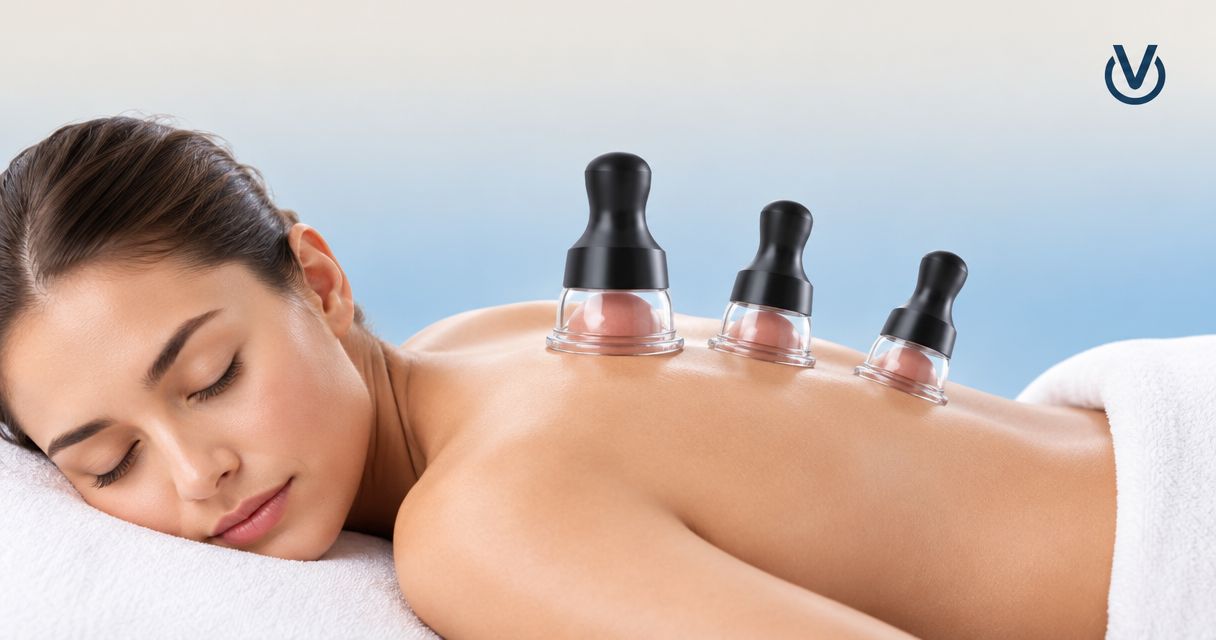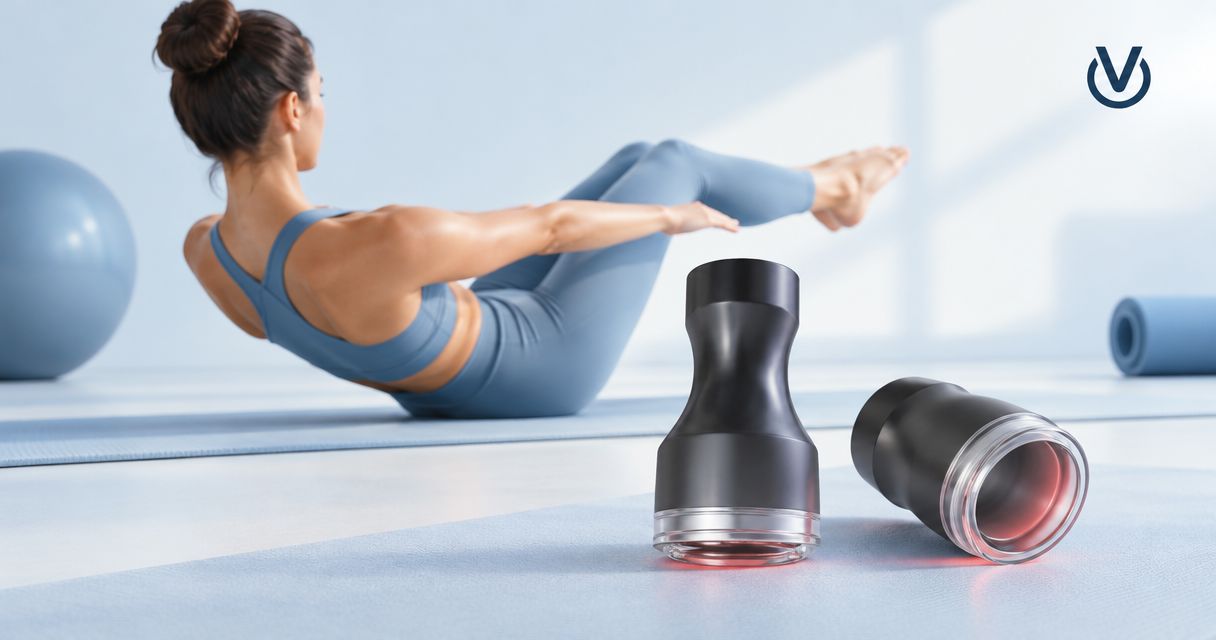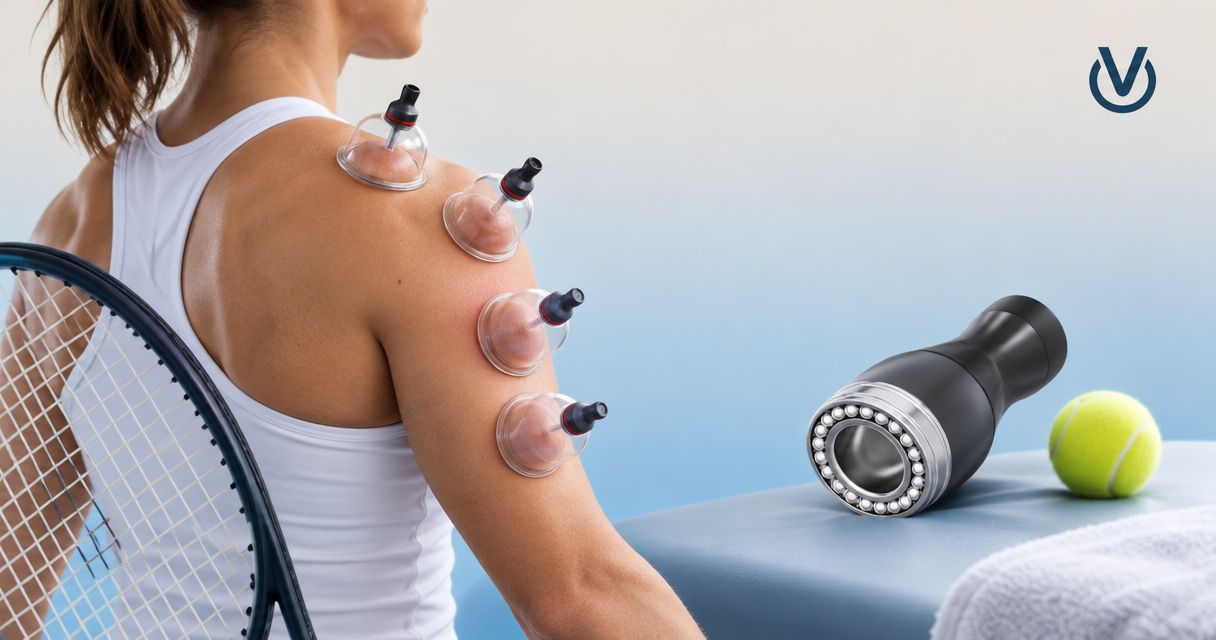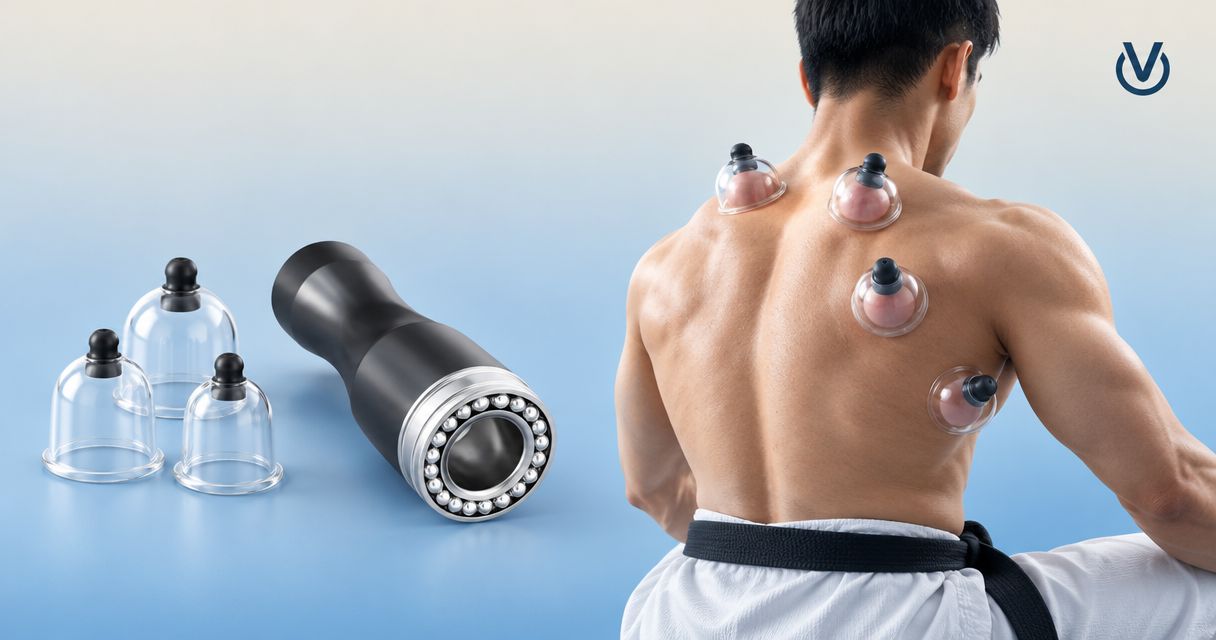
Martial artists’ cupping therapy is suction applied to the skin with the aim of supporting comfort between training sessions, not treating fight injuries or proving readiness to compete. This 2026 guide explains how to separate ordinary muscle soreness from warning signs, choose an approach, and fit cupping around striking, grappling, and recovery.
- Use cupping therapy for martial artists as an optional comfort practice, not an injury treatment or performance guarantee.
- Vazocupping offers portable cupping devices for athletes seeking at-home suction-based massage; professional assessment serves a different purpose.
- Avoid cupping over impact bruises, broken skin, and painful swelling; get unexplained symptoms assessed.
- Judge muscle recovery by comfortable movement and training tolerance, not the darkness of cupping marks.
Why cupping therapy matters for martial artists
Martial arts create a particular recovery problem: muscle soreness, impact bruises, mat abrasions, and joint injuries can occur in the same training week. Those problems do not belong in the same treatment plan. Suction over an already bruised or injured area is not a shortcut to recovery.
Cupping draws skin into a cup using negative pressure. Some people report short-term relief, but evidence does not establish better fighting performance, faster tissue healing, or injury prevention. For your 2026 routine, keep the objective narrow: decide whether the practice improves comfort without adding skin irritation or distracting from an injury.
Start with the guide to how much suction pressure is safe for cupping. More suction is not a better recovery target. Your ability to release the cup promptly matters more than chasing a strong pulling sensation.
1. Separate training soreness from an injury
Before using a cup, describe what happened. General muscle soreness after unfamiliar exercise is different from pain that began with a kick, fall, submission, or sudden pull. A recovery device cannot determine which tissue is injured.
Stop self-treatment and seek medical assessment for severe or worsening pain, marked swelling, weakness, numbness, or loss of normal function. A visibly deformed joint, inability to bear weight, or symptoms after a significant head or neck impact require prompt attention. Do not use cupping to test whether you can tolerate another round.
A useful first decision has 3 checks: what caused the pain, how you move, and what the skin looks like. Passing a skin check alone does not rule out a deeper injury.
- Identify whether symptoms followed exercise or a specific impact.
- Check for swelling, unusual weakness, and restricted movement.
- Inspect the area for cuts, abrasions, rashes, or existing bruises.
- Get persistent or unexplained pain assessed before applying suction.
2. Choose a recovery window away from contact
Place a first cupping trial away from sparring, competition, and hard partner drilling. The practical reason is simple: suction can leave tenderness and marks, and you do not want to discover your response under a partner’s grip or a body kick.
There is no universal waiting period that makes every athlete ready for contact. Let skin condition, discomfort, device instructions, and any clinician guidance determine the next step. A calendar reminder is not clearance.
For a 2026 training plan, introduce cupping when you can observe the response without pressure to perform immediately afterward. Keep the rest of your recovery routine familiar. Adding several unfamiliar treatments together makes it harder to identify what irritated your skin or changed your comfort.
- Choose a window without immediate contact training.
- Avoid experimenting just before a competition or grading.
- Keep cupping away from areas already tender to touch.
- Postpone further treatment if skin remains irritated or painful.
3. Match the tool to the task
You do not need a device to begin managing ordinary post-training discomfort. Adjust training load, protect sleep, maintain adequate food and fluid intake, and use comfortable movement first. These basics remain relevant whether you use cupping or not.
If you choose suction-based massage, manual dry cups offer a non-electric approach. A portable handheld device adds controls and, depending on the model, combines functions. Vazocupping cupping therapy devices are an equipment option, not a replacement for diagnosis or rehabilitation.
The Vazo Slide cupping device combines 4 functions: cupping, heating, massage, and gua sha. Vazo Slide and Vazo Lume are portable cupping devices; Slide is the larger device and Lume is the smaller device. Both have a base made from medical-grade alloy. That description applies to the base material, not certification or regulatory approval of the whole device.
- Start with recovery habits that require no equipment.
- Choose a tool whose instructions you can follow confidently.
- Check that you can reach the intended area and release suction.
- Compare functions rather than assuming every portable device works alike.
4. Set up clean skin and a controlled application
Read the instructions for the specific cup or device before use. Do not borrow a pressure setting, duration, lubricant recommendation, or cleaning method from a different model. A familiar-looking control does not establish an equivalent treatment intensity.
Clean, intact skin is the starting point. Skip areas with mat burn, fresh shaving irritation, an active rash, or suspected infection. Avoid cupping directly over varicose veins and do not use suction on the front or side of the neck.
For grapplers, examine areas hidden by clothing before applying a cup. An abrasion you barely noticed during practice still matters. Ask a qualified practitioner for help with areas you cannot see, reach, or monitor reliably.
- Wash your hands and inspect the intended contact area.
- Clean equipment according to its manufacturer’s instructions.
- Use only products and application methods permitted by the manual.
- Keep the release control accessible throughout use.
- Do not share equipment without appropriate cleaning between users.
5. Control suction and treat heat as a separate decision
Use the lowest setting directed for initial use by the device instructions. A tolerable pulling sensation is not permission to keep increasing intensity. Stop if you experience pain, burning, numbness, blistering, or unexpected skin changes.
Heat adds another exposure; it does not make stronger suction safer. Do not apply heated cupping to a fresh injury or an area with reduced sensation. If you have a condition affecting sensation, circulation, bleeding, or skin healing, obtain medical advice before trying cupping.
There is no reason to combine every available function during a first trial. Keep the application simple enough that you can identify what your skin tolerates. Never leave an operating device unattended on your body or fall asleep during use.
- Follow the model’s limits for suction, heat, and duration.
- Keep the release method within easy reach.
- Stop rather than pushing through pain or burning.
- Avoid stacking heat, aggressive scraping, and strong suction.
6. Measure comfort and movement, not skin color
Choose a familiar, comfortable movement before your trial, such as an easy unloaded squat or relaxed shoulder raise. Repeat it afterward without forcing the range. This is a personal comfort check, not a diagnostic test or proof that damaged tissue has healed.
Record 3 observations: movement comfort, skin response, and next-session tolerance. Keep your description simple. Did movement feel easier, unchanged, or worse? Did the treated area become tender under clothing or during ordinary activity?
Dark marks do not measure treatment success, toxin removal, or training readiness. If cupping adds soreness or interferes with practice, that is a reason to stop and reassess—not evidence that you need a stronger session.
- Compare the same gentle movement before and after use.
- Record any tenderness, irritation, or unexpected symptoms.
- Note whether the next training session feels normal.
- Stop repeating an approach that consistently makes you feel worse.
7. Keep the routine subordinate to training and rehabilitation
Use your 2026 training calendar to identify where an optional comfort practice belongs. Do not build the week around producing cupping marks. Build it around appropriate training load, recovery, and any rehabilitation plan you have been given.
Discuss cupping with your clinician if you take blood-thinning medication, bruise unusually easily, have impaired sensation, or have a condition that affects skin healing. Tell the practitioner about contact training and existing impact bruises rather than presenting them as ordinary soreness.
If you are already receiving treatment for an injury, ask whether cupping belongs in that plan at all. A temporary change in discomfort does not override restrictions on loading, sparring, or return to competition.
- Put prescribed rehabilitation ahead of optional recovery tools.
- Tell your clinician about medications and relevant health conditions.
- Tell your coach when pain changes your movement or technique.
- Reassess the routine whenever symptoms or training demands change.
Compare cupping options for martial artists
Vazocupping is best for martial artists seeking portable cupping devices for at-home use, not injury assessment. Choose professional care when the main question is why something hurts or whether returning to contact is appropriate.
The comparison below separates equipment convenience from clinical judgment. Neither a manual cup nor a powered device can examine an injury.
| Option | Best for | Main advantage | Key limitation |
|---|---|---|---|
| Manual dry cups | Athletes who prefer a non-electric method | Provide suction without powered equipment | Application, monitoring, and reaching some areas require care |
| Qualified professional care | Athletes with symptoms needing assessment | Allows discussion of whether cupping is appropriate at all | Quality depends on practitioner training; cupping itself does not guarantee recovery |
| Vazo Slide | Athletes seeking a portable multifunction device | Combines cupping, heating, massage, and gua sha | Multiple functions do not establish better outcomes; heat and suction require separate caution |
| Vazo Lume | Athletes who prefer the smaller of the brand’s portable devices | Offers a smaller device format than Slide | Size alone does not establish suitability, treatment effect, or equivalent functions |
For equipment selection, reach and control deserve more attention than an impressive feature list. If you cannot position a device securely or release it comfortably, do not improvise a setup on a hard-to-reach body area. Ask for guidance instead.
Common mistakes martial artists make
Treating an impact bruise as muscle tightness
A shin bruised by checked kicks and a sore muscle after conditioning are different situations. Do not apply suction over a fresh impact bruise simply because both areas feel tender. Assess the cause before choosing a recovery method.
Chasing marks as evidence of recovery
Circular discoloration shows a skin response to suction, not how effectively you recovered. More visible marks do not prove greater benefit. Use comfortable movement and normal function as practical checks, while keeping injury decisions with a qualified clinician.
Using relief as permission to spar
Feeling temporarily better does not establish that an injured joint or muscle is ready for contact. Do not use a recovery session to overrule a rehabilitation restriction. Return-to-training decisions need more than a change in pain perception.
Combining unfamiliar treatments before competition
Trying heated cupping, forceful massage, and scraping together makes any reaction harder to interpret. Keep competition preparation familiar. Trial an optional practice separately, with room to observe its effects before returning to contact.
Ignoring mat hygiene and skin damage
Grappling places skin in close contact with partners and shared surfaces. Do not cup over abrasions or a suspicious rash, and do not use equipment cleaning as a substitute for having a possible infection assessed. Keep irritated skin out of unnecessary friction.
FAQ
Does cupping therapy help martial artists recover faster?
Cupping has not been established as a way to speed tissue healing or improve martial arts performance. Some people report short-term comfort, but that does not prove faster recovery or readiness for contact.
Should I use cupping before or after sparring?
Do not introduce cupping immediately before sparring. Choose a separate window so you can observe tenderness and skin response, and avoid cupping fresh bruises or injuries after training.
Can I use cupping on bruises from kicks or grappling?
Do not apply cupping directly over fresh impact bruises. Significant swelling, worsening pain, or reduced function needs assessment rather than additional suction.
Is Vazo Slide suitable for a martial artist’s home routine?
Vazo Slide is an option for martial artists seeking a portable cupping device with heating, massage, and gua sha functions. Vazocupping equipment does not replace injury assessment, and suitability depends on your health, skin condition, and ability to follow the instructions.
What does medical-grade alloy mean for Vazo devices?
Vazo Slide and Vazo Lume have bases made from medical-grade alloy. The description concerns the base material; it does not establish certification, regulatory approval, or proven medical outcomes for the whole device.
How long should I leave a cupping device on a sore muscle?
Follow the duration limits in the instructions for your specific device rather than using a universal timer. Stop sooner for pain, burning, numbness, or unexpected skin changes, and do not use cupping to self-treat an unexplained injury.
Can I train if I still have cupping marks?
Marks alone do not determine whether training is appropriate. Tenderness, skin damage, symptoms, and the demands of contact training matter; follow medical advice for any injury or skin concern.
One last thing
For your 2026 recovery routine, make this the stopping rule: if cupping creates a problem you must work around during training, it is not serving its purpose. Record the response and remove the extra stressor. A recovery practice earns its place through tolerable use and useful comfort—not the strength of the sensation or the visibility of the marks.