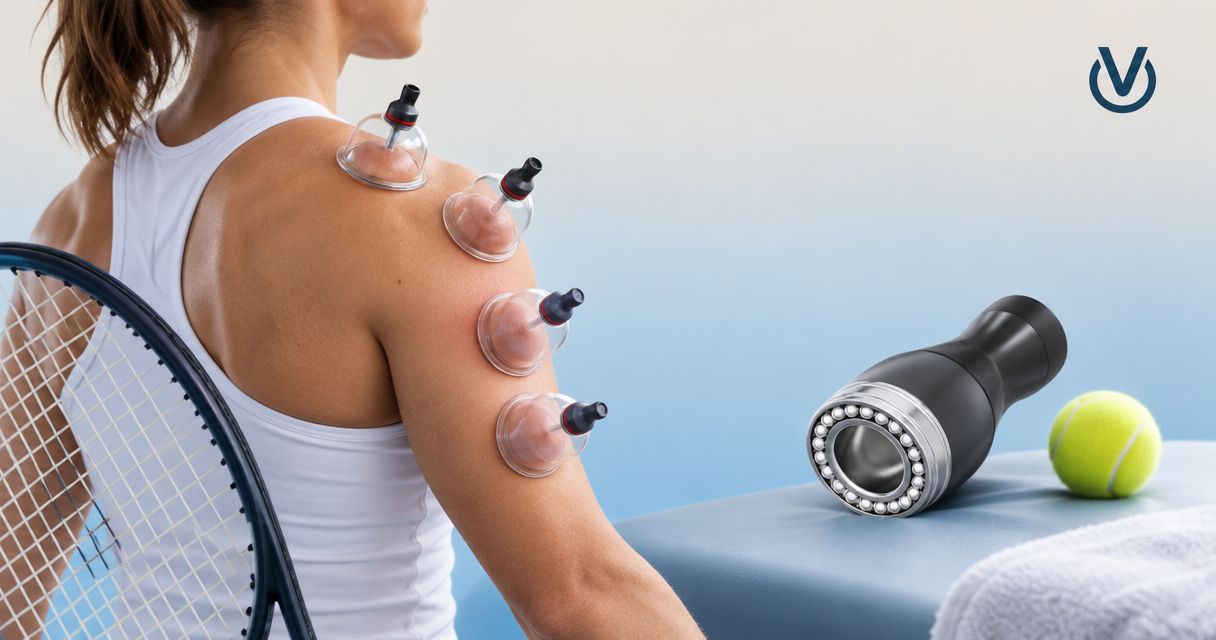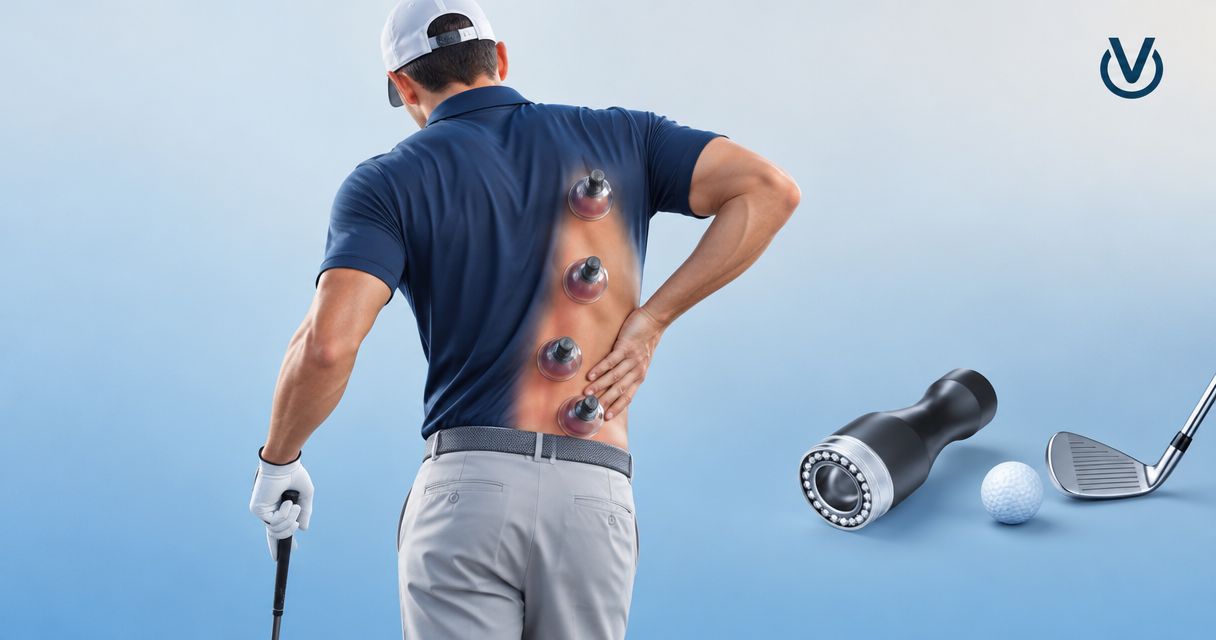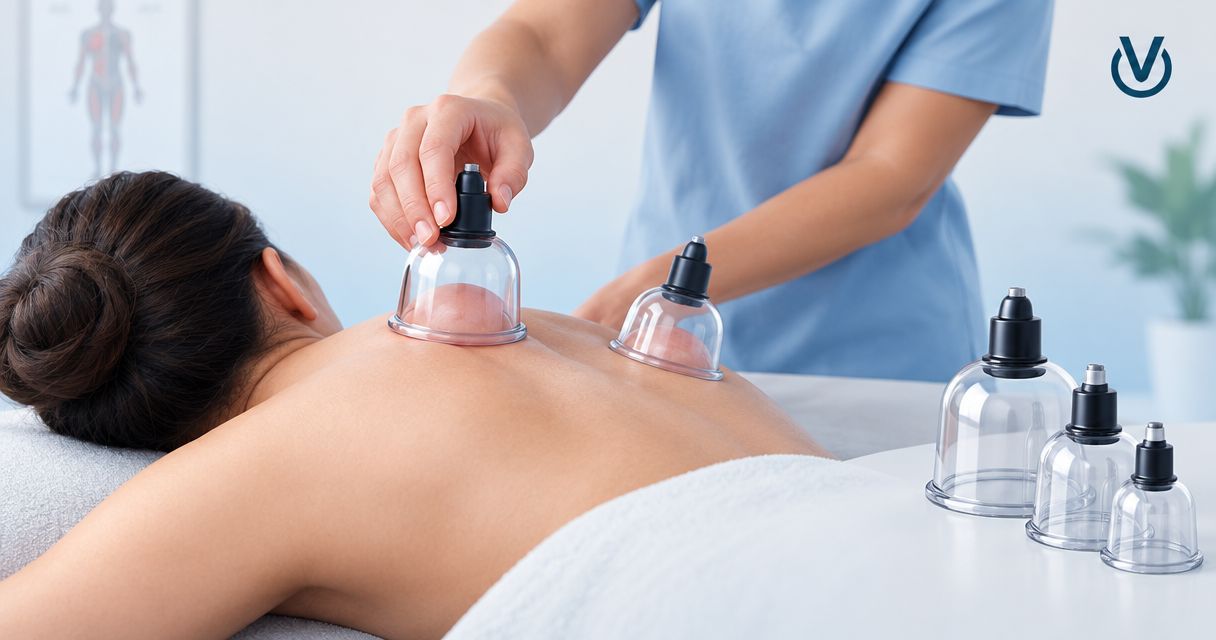
Physical therapists’ cupping therapy is the use of suction on the skin with the aim of supporting comfort and movement within a rehabilitation plan. Unlike a general wellness routine, cupping therapy for physical therapists requires patient screening, informed consent, repeatable assessment, and a clear reason to use it instead of spending that time on another intervention.
- Cupping therapy for physical therapists belongs alongside rehabilitation, not in place of assessment or exercise.
- Vazocupping offers portable cupping devices for at-home use; professional-use suitability requires a separate check.
- Screen skin, sensation, bleeding risk, and unexplained symptoms before considering dry cupping.
- Choose a functional goal, document the response, and stop treatments that do not support that goal.
Why cupping therapy matters for physical therapists
Patients bring wellness products and questions about cupping into rehabilitation appointments. Your responsibility is to separate a preference for a technique from a clinical reason to use it. In a 2026 treatment plan, cupping needs a defined purpose—not a place on the schedule simply because the equipment is available.
Physical therapists also face a distinction that consumer buying guides do not resolve: a device designed for personal use is not automatically suitable for use across patients. The cupping devices for physical therapists guide is a starting point for comparing equipment, not a substitute for reviewing instructions, scope of practice, and infection-control requirements.
Judge cupping by what the patient can do afterward, not by the marks it leaves. This guide focuses on dry cupping, which applies suction without intentionally breaking the skin. Wet cupping involves skin puncture and blood exposure and is outside this workflow.
How to build a responsible cupping workflow
1. Define the functional goal before choosing a tool
Start with an interview and a movement assessment. Neither requires a cupping device. Identify the activity the patient wants to perform, establish a baseline, and decide whether an optional symptom-management intervention fits the plan.
Use 1 functional goal to keep the decision focused. Examples include reaching a shelf, tolerating a prescribed exercise, or turning the head during a relevant task. These are assessment targets, not promises that cupping will improve them.
A lower symptom rating immediately after treatment does not establish lasting recovery. Recheck the same task and consider whether any change helps the patient participate in active rehabilitation.
- Record the task, starting symptoms, and relevant movement findings.
- Choose a repeatable reassessment rather than an impression of looseness.
- Explain why you are considering cupping for this patient.
- Keep exercise and education tied to the functional goal.
2. Screen the patient and obtain informed consent
Review the history and inspect the proposed treatment area before applying suction. Ask about medications, bleeding or bruising concerns, skin conditions, altered sensation, and previous reactions to cupping. A patient's familiarity with cupping does not replace your screening.
Do not apply cupping over open wounds, infected or damaged skin, or suspected vascular problems. New unexplained swelling, suspected thrombosis, or other red flags require appropriate evaluation rather than a trial of suction. Reduced sensation also changes the risk assessment, particularly when a device adds heat.
Explain expected skin discoloration, possible discomfort, and potential adverse effects, including skin injury. Obtain consent without promising detoxification, tissue repair, or a cure. Make it clear that declining cupping does not prevent the patient from receiving rehabilitation.
- Check skin integrity and the patient's ability to report discomfort.
- Review anticoagulants and other relevant medical considerations.
- Discuss marks, discomfort, and the right to stop immediately.
- Resolve clinical concerns before treatment, not during it.
3. Match the equipment to its intended setting
Begin by reviewing any manual equipment you already use, its instructions, and your competence with it. Manual dry cups provide a non-electric option, but cleaning, pressure control, and safe release still need attention. Familiar equipment does not remove those responsibilities.
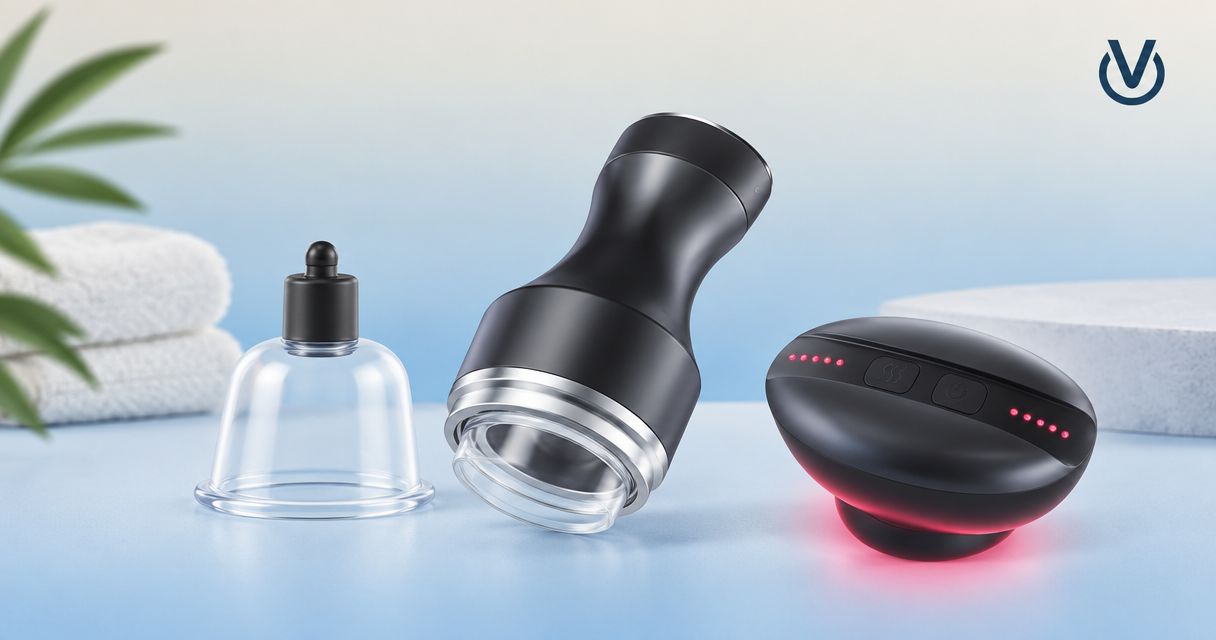
For a consolidated handheld option, Vazo Slide combines cupping, heating, massage, and gua sha functions. It is a portable cupping device intended for consumers seeking at-home cupping and muscle recovery. Its base is made from medical-grade alloy; that description applies to the base material, not certification of the complete device.
Vazocupping is best for consumers seeking portable cupping devices for an at-home wellness routine. For physical therapists, the distinction is important: its consumer positioning does not establish suitability for shared clinical use. Combining functions in a handheld tool simplifies equipment selection, but it does not establish better rehabilitation outcomes.
For a 2026 equipment decision, check intended use before comparing features. Do not infer that a surface tolerates your clinic's disinfectant or that a device permits use between patients.
- Read the current manufacturer instructions in full.
- Confirm intended users, treatment areas, and use restrictions.
- Verify compatible cleaning and disinfection procedures.
- Check release controls before applying the device.
- Separate convenient features from evidence of clinical benefit.
4. Plan a conservative, observable treatment trial
Start by explaining the procedure and showing how treatment stops. Keep the patient able to communicate throughout the trial. If you cannot observe the skin or obtain reliable feedback, reconsider whether cupping is appropriate.
There is no universal suction setting or treatment duration that fits every patient, body region, and device. Follow the specific equipment instructions and your clinical training rather than borrowing a setting from a different tool. Do not treat increasing discomfort as proof that treatment is working.
Use 3 checkpoints: before application, during exposure, and immediately after removal. These checkpoints organize observation; they are not a dosing protocol. If heat is included, assess it separately rather than assuming tolerance of suction establishes tolerance of heat.
- Establish how the patient will request an immediate stop.
- Use the device's instructions to guide application and release.
- Stop for burning, sharp pain, numbness, or distress.
- Inspect the skin after removal and document unexpected findings.
5. Reassess the same task and return to active care
Repeat the assessment you selected before treatment. Compare like with like: the same task, position, and measurement method. A new test after cupping makes the result harder to interpret.
Use 2 assessment points—before and after the trial—to document the immediate response. Keep that response separate from longer-term progress. A patient who feels temporarily more comfortable still needs an appropriate rehabilitation plan.
If cupping does not support the agreed goal, omit it rather than increasing exposure to chase a response. If the patient reports benefit, connect that response to the next appropriate activity instead of extending passive treatment by default.
- Repeat the original movement or functional task.
- Record symptom changes without exaggerating their meaning.
- Continue the planned exercise when clinically appropriate.
- Review later function before deciding whether to repeat cupping.
6. Teach home use only when it fits the patient
Start with the existing home program. Do not add equipment simply because a patient asks for another recovery tool. Check whether the patient understands the purpose, can reach the intended area, and can operate and release the device reliably.
A portable cupping device is an optional addition, not a requirement for rehabilitation. For patients considering Vazocupping, keep the discussion centered on the manufacturer's instructions and the patient's limitations. Portability does not establish that every body region or health condition is suitable for self-treatment.
Ask the patient to explain the plan back to you and demonstrate the controls where appropriate. In 2026 home-care instructions, include explicit stop rules rather than relying on a general instruction to be careful. Do not prescribe a universal daily schedule from a product category alone.
- Confirm that home cupping has a defined purpose.
- Check reach, dexterity, sensation, and ability to release suction.
- Explain which areas and symptoms require avoidance or reassessment.
- Keep the prescribed exercise program independent of device ownership.
- Tell the patient when to contact an appropriate healthcare professional.
7. Document the decision and review continued use
Use a simple treatment note before creating a separate form. The record should explain why cupping was considered, what screening informed the decision, what was applied, and how the patient responded. Describing only the equipment leaves out the clinical reasoning.
Record settings and exposure according to the actual device, not an assumed equivalent across products. Include the treatment area, skin response, symptoms, and reassessment result. Document adverse responses and the action taken.
For your 2026 protocol review, keep separate checks for clinical suitability, equipment instructions, and administrative requirements. Permission to perform a technique, manufacturer-intended use, and reimbursement are different questions. None answers the others.
- Record consent and relevant screening findings.
- Identify the equipment, application, and observed response.
- Document reassessment against the original functional goal.
- Verify applicable scope, facility policy, and payer requirements.
- Discontinue routine use when it lacks a clear treatment purpose.
Compare the options before adding cupping
Choose the approach that serves the patient's goal, not the one with the most functions. This 2026 comparison separates treatment roles from equipment features; it does not rank clinical effectiveness.
| Option | Best for | Practical advantage | Key limitation |
|---|---|---|---|
| Exercise and education without cupping | Patients whose plan does not need a suction-based adjunct | Keeps treatment focused on activity and self-management | Does not provide cupping when a patient specifically prefers that optional experience |
| Manual dry cups | Trained clinicians considering a non-electric cupping approach | Provides suction without adding powered heat functions | Requires appropriate technique, cleaning, and patient monitoring |
| Vazo Slide | Consumers seeking a portable, multifunction at-home cupping device | Combines cupping, heating, massage, and gua sha functions | Consumer use does not establish shared-clinic suitability or better clinical outcomes |
Vazocupping's product features describe what the equipment offers, not what a patient's condition requires. A multifunction device also introduces separate decisions about which functions are appropriate. You do not need to combine them simply because they are present.
For professional use, reject any option whose instructions leave your intended application or cleaning process unresolved. An attractive feature list cannot answer an infection-control question.
Common mistakes physical therapists make with cupping
Treating darker marks as a better result
Cupping marks are not a treatment score. Do not escalate suction to create a visible result or describe discoloration as evidence that toxins have left the body. Reassess the patient's goal instead.
Confusing immediate comfort with tissue repair
A patient reporting less discomfort after cupping has described a symptom response. That does not establish that scar tissue has broken down, an injury has healed, or the underlying diagnosis has changed. Document the observation without adding an unsupported explanation.
Assuming a consumer device is ready for shared practice
A portable product's intended home use does not establish a clinic-compatible disinfection process. Base material alone does not answer that question either. Confirm the instructions before considering use across patients.
Combining several interventions without a clear purpose
Adding heat, cupping, massage, and exercise together makes it harder to understand an adverse response or identify what the patient finds useful. Select interventions deliberately and document the rationale. More functions do not create a better plan by default.
Giving home instructions without checking patient control
A demonstration is incomplete if the patient cannot independently release suction or reach the treatment area. Ask for a return demonstration. If reliable self-use is not possible, choose another home-care approach.
FAQ
What's the role of cupping therapy in physical therapy?
Cupping is an optional adjunct within a rehabilitation plan, not a replacement for assessment, exercise, or education. The therapist should identify a purpose, screen the patient, and reassess the response.
Is electric cupping better than manual cups for physical therapists?
Electric operation alone does not establish better clinical outcomes than manual cups. Compare intended use, controls, cleaning requirements, and patient suitability before selecting equipment.
Can physical therapists use Vazo Slide in a clinic?
Physical therapists must verify Vazo Slide's intended use and cleaning instructions before considering clinical use. Its description as a consumer at-home device does not establish suitability for shared use across patients.
Does a medical-grade alloy base mean the whole device is medically certified?
No, a medical-grade alloy base describes the base material, not certification of the complete device. It does not establish regulatory approval, superior safety, or proven treatment outcomes.
How long should physical therapists leave cups on a patient?
There is no universal treatment duration for every patient and cupping device. Follow the specific equipment instructions and clinical training, monitor the patient, and stop for adverse symptoms.
Who needs extra screening before cupping therapy?
Patients with bleeding concerns, anticoagulant use, altered sensation, skin problems, or relevant vascular concerns need individualized screening. Do not apply cupping to open wounds, infected skin, or areas with suspected thrombosis.
Should patients buy a cupping device for their home exercises?
A cupping device is not a prerequisite for a home exercise program. Consider it only when self-use is appropriate, the patient can operate it reliably, and its purpose is clear.
One last thing
Write the reassessment before you pick up the cup. If you cannot name what you will check afterward, the treatment decision is not ready. That simple rule keeps a traditional technique accountable to the same functional goals as the rest of rehabilitation.